
The first London grown, London made wine
As many people are aware, harvest 2018 was the biggest seen to date in England and Wales. The hot and dry summer resulted in greater yields than we’d seen and more fruit than many wineries had space to accommodate. We felt really fortunate that when Forty Hall Vineyard, in North London, had been advised that there was not enough tank space to accommodate all of their fruit, they knocked on our door.

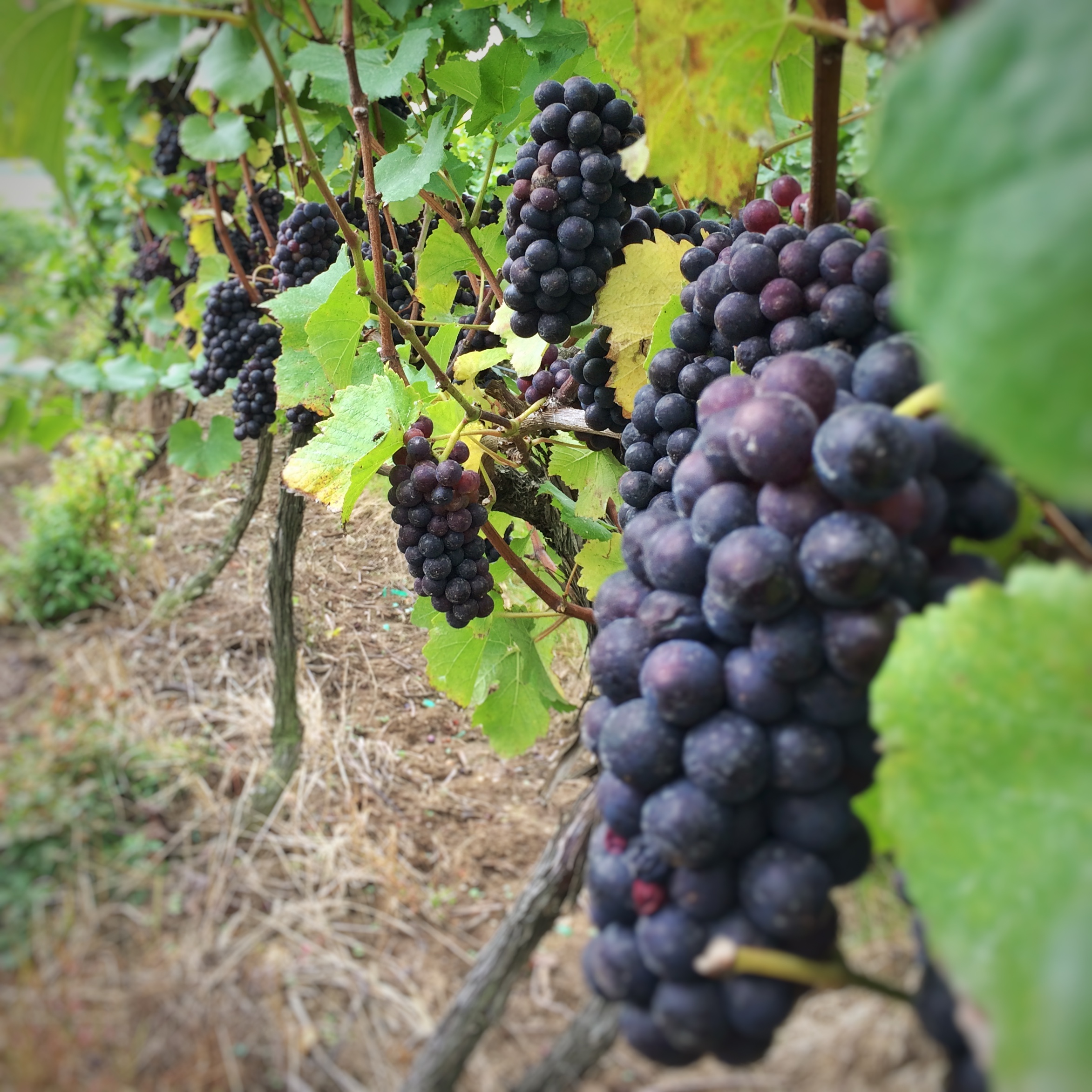
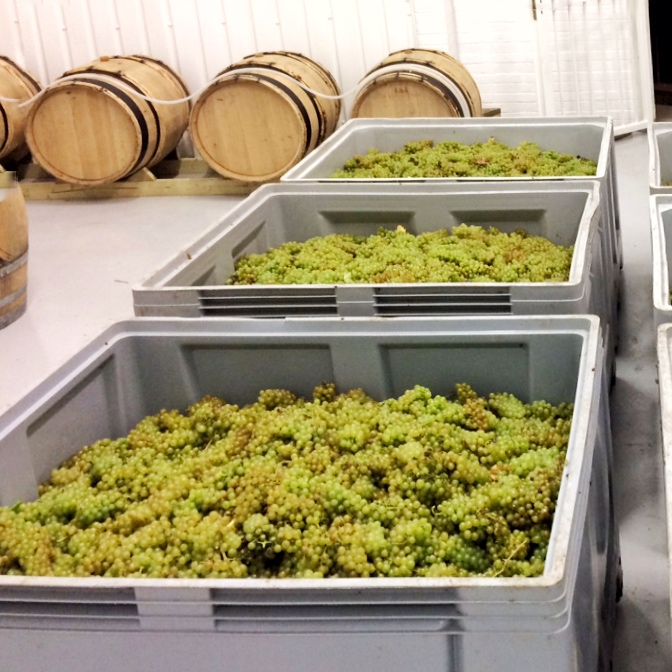
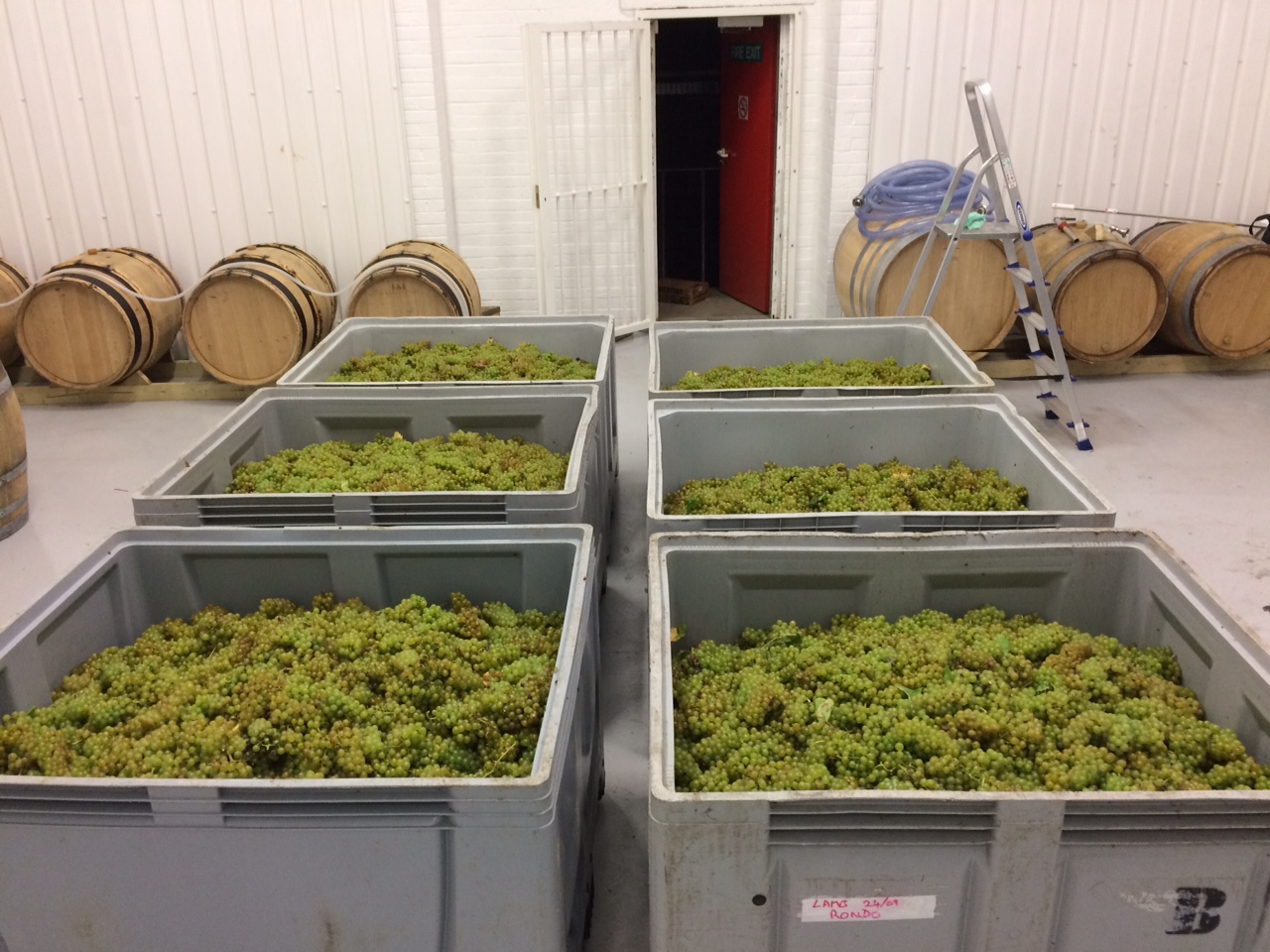
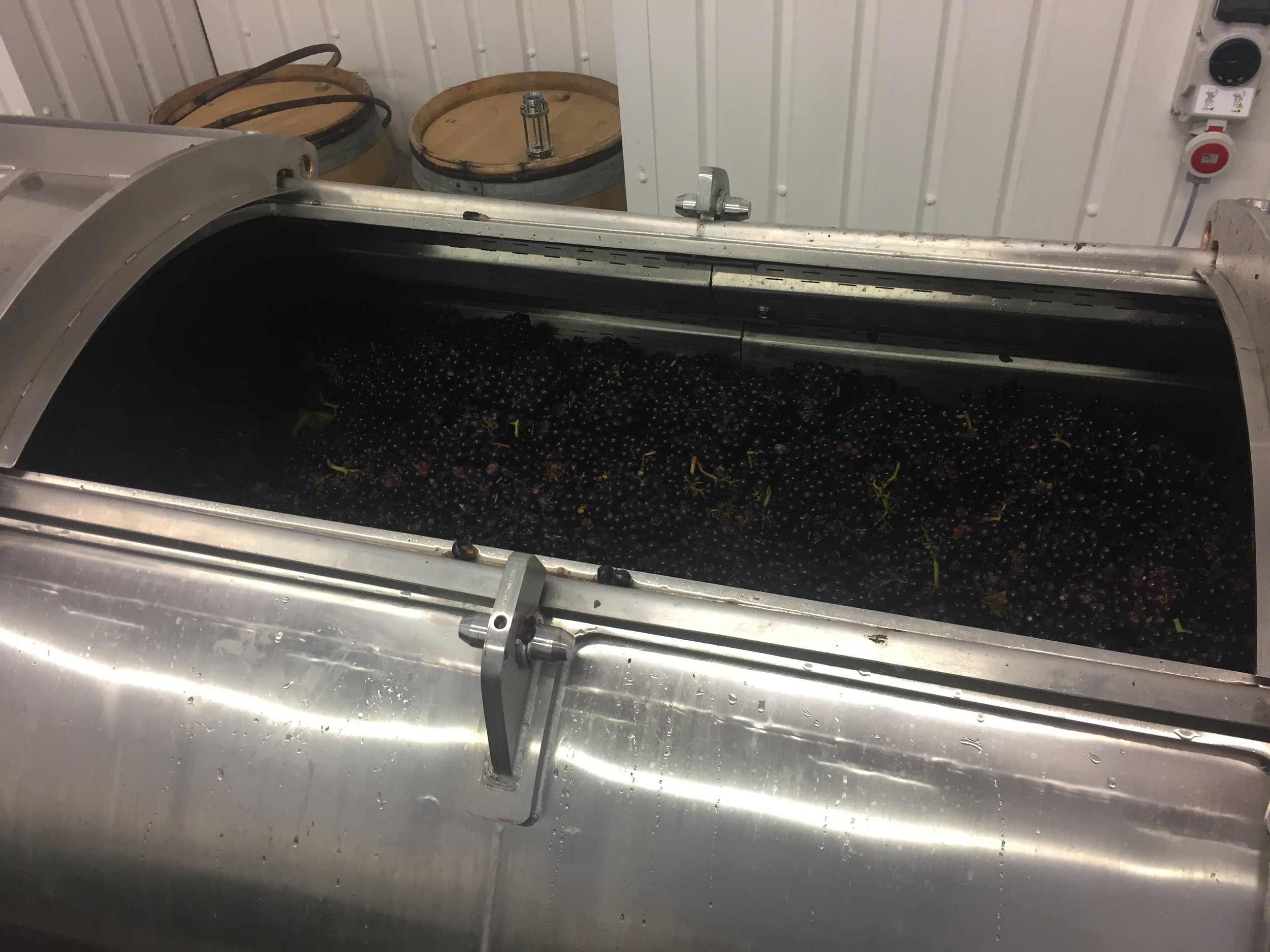
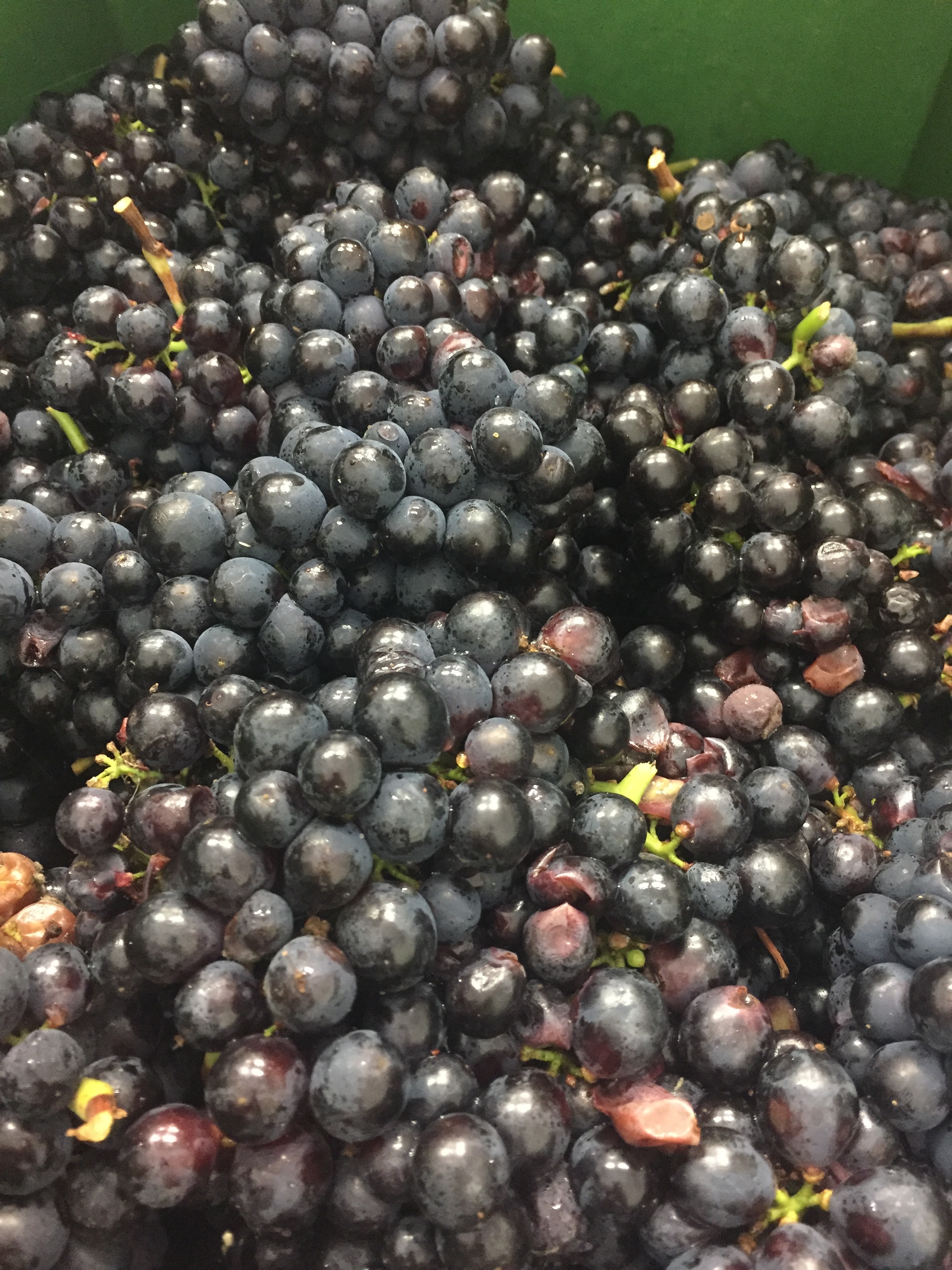
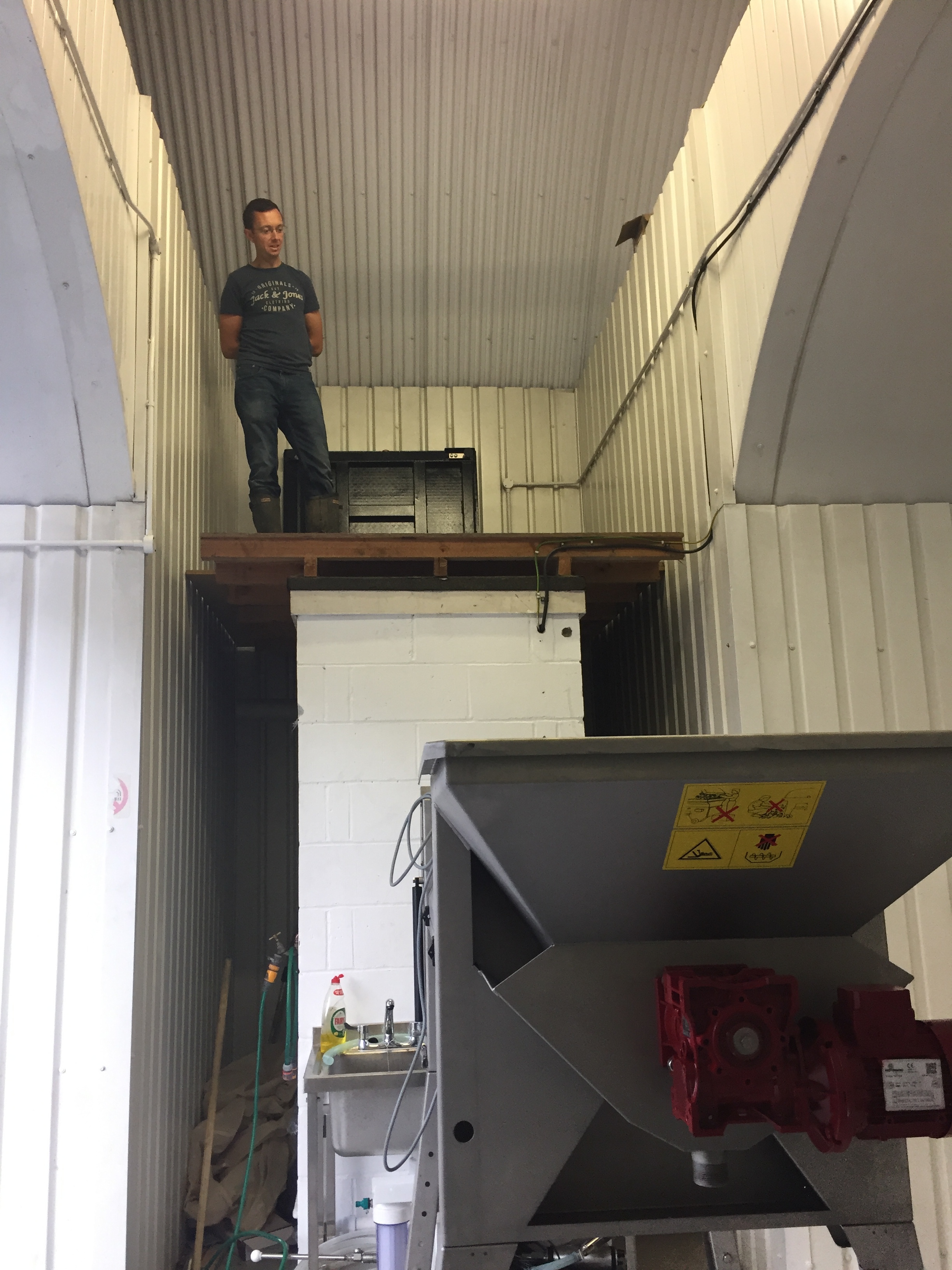
Grapes from Forty Hall soon after they arrived at the winery, Sept 2018
We’ve been long admirers of Forty Hall - a vineyard in London, socially-minded, not-for-profit and organically certified to boot! Being certified organic, Forty Hall avoids the use of synthetic fungicides, herbicides or fertilisers to encourage sustainability, biodiversity and natural balance. In 2018 there were 65 registered volunteers and 6400 volunteer hours logged. They produced nearly 20 tonnes of grapes in 2018 and we were lucky enough to secure just over 1 tonne of their bacchus. Forty Hall’s own award winning wines are vinified in Sussex, so when they offered to sell us grapes we were excited to consider that it would be the first end to end London wine.
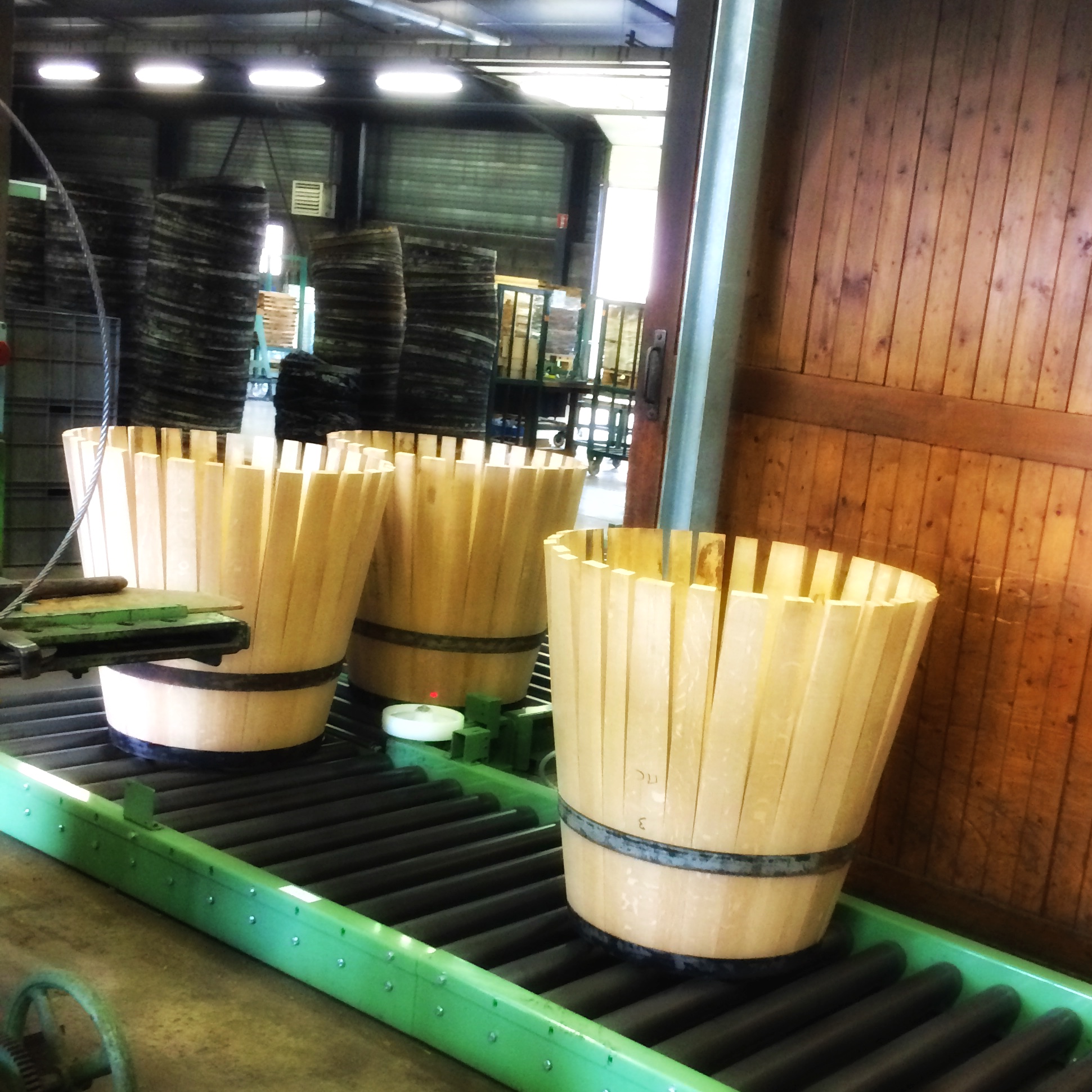
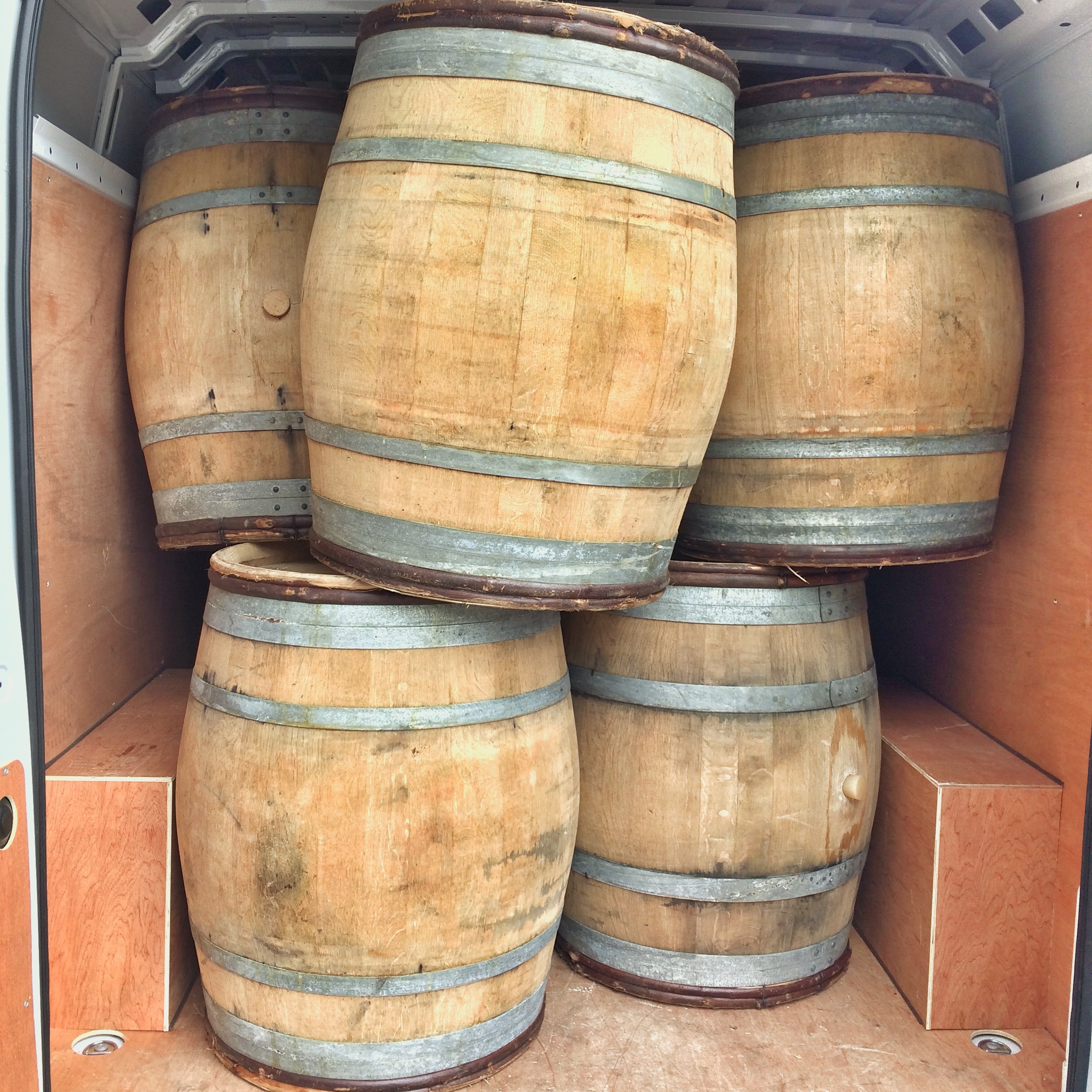
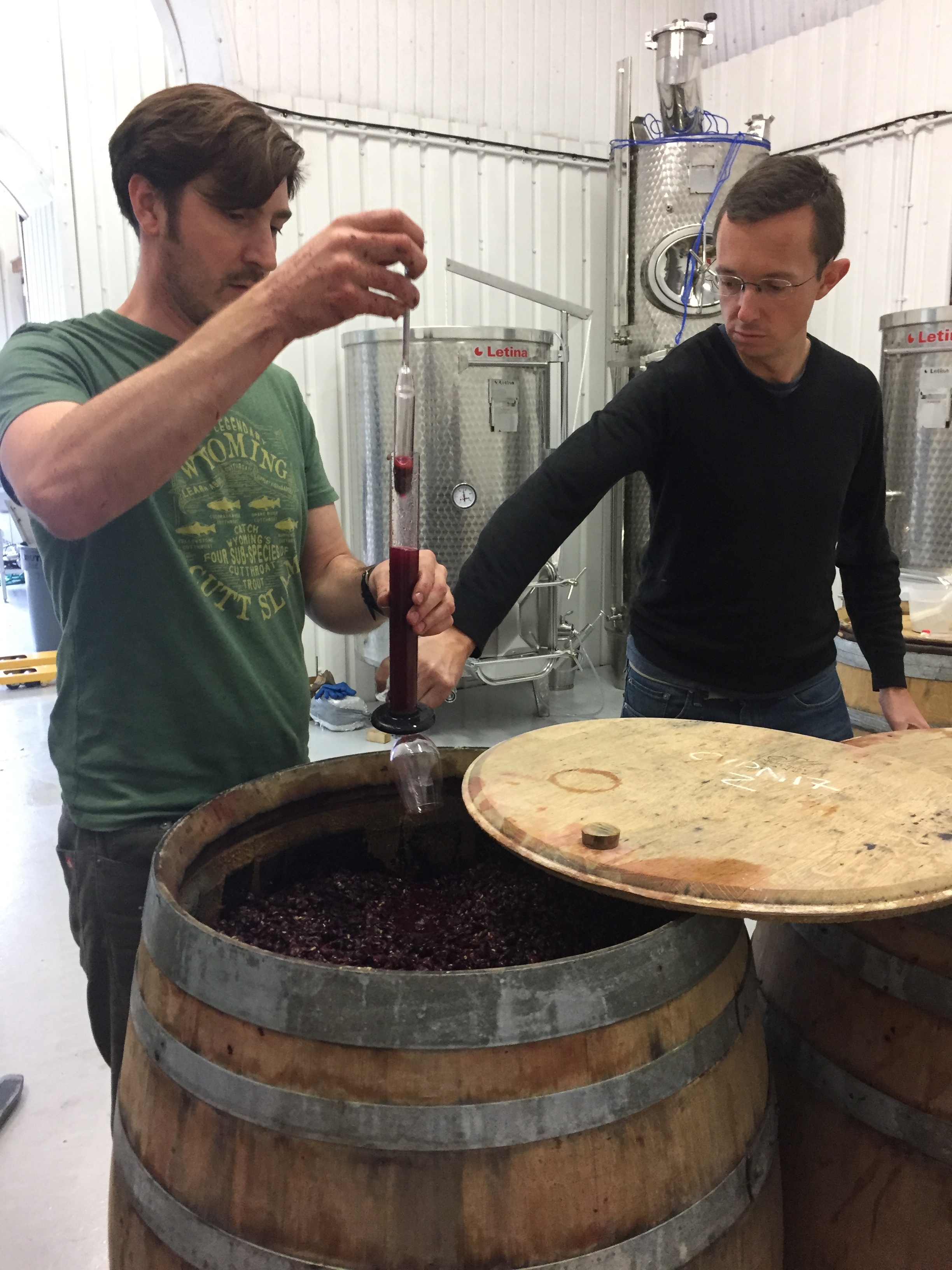
The bacchus was picked and sent down to us at the end of September 2018. When the grapes arrived they were beautiful, and great ripeness. They went straight into the press and we split the juice between older French oak barrels and steel tank, where they fermented using natural yeasts. This was followed by naturally occurring malolactic fermentation and aged for 6 months on gross lees. We do not fine or filter, the wine was bottled in April 2019 and has just officially launched.

Lisa and Emma from Forty Hall, with Sergio and Matt Frame
We named the wine, Tamesis. Named after the Latin word for the River Thames, which is a stone’s throw from the winery, the label for Tamesis was designed by local London artist, Matthew R. Frame, who took inspiration from the river, and the Roman origins of wine in England. The label references 3 key symbols: the component parts of the Thyrsus, a staff wielded by Roman God of wine, comprised of a fennel plant tipped with a pine cone, wound in vine leaves and ivy and dripping with honey; the Battersea Shield, discovered in 1857 during excavations for the Chelsea Bridge and is believed to date back to 1st century BC; and the bee wing that is the main focus of the label is both a reference to the honey laden Thyrsus and the army of volunteers at Forty Hall.
A wine that truly expresses the varietal essence with nuances of elderflower, white peach, and white pepper with touches of sweet spices and tropical fruit.
At Blackbook we are proud of our London heritage and passionate about the city. We strive to demonstrate that world class wine can be produced in an urban winery and believe that Tamesis is a perfect example of that.
Available now in our online shop.
Vegan or not Vegan, That is the question!
What makes wine vegan, and why do we make vegan wines.

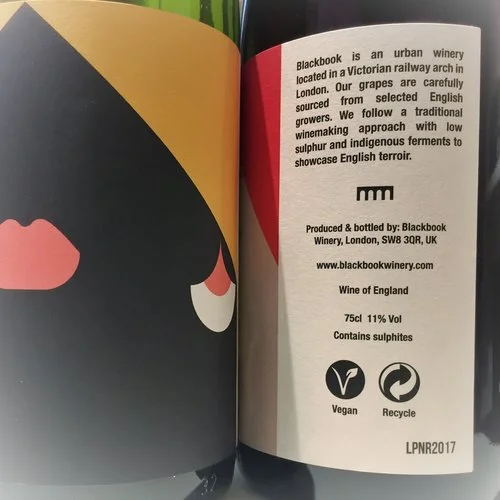
All Blackbook Winery wines are vegan, and labelled as such
Why do we choose to make vegan wines? Good question! As “Veganuary” draws to a close, we thought we’d use this as a chance to share some detail around our approach to winemaking, explaining why our wines are vegan and the choices winemakers make that affect whether a wine is vegan or not.
Most wines are not vegan friendly due to the use of varied additives manufactured from animal products, including things such as egg whites, fish bones, and gelatine that are all commonly used. These additives are used in wineries to allow accelerated processes to ready a finished wine, thus providing time and cost savings. However, a high quality, finished and consistent wine can be achieved through fastidious attention to detail, more labour intensive processes and vegan raw materials.
From the very beginning, we have endeavoured to follow a sustainable and minimalistic philosophy aimed at creating the best varietal expression of the source fruit in our wine. To achieve this, we take a minimal intervention approach in the winery, respecting the fruit and the terroir. That approach allows us to generally avoid a number of interventions that can turn fermented grape juice into a non-vegan product.
Now, let’s talk shop! Here is a walk through of the key process where the non-vegan additives are commonly used:
Clarification and filtration
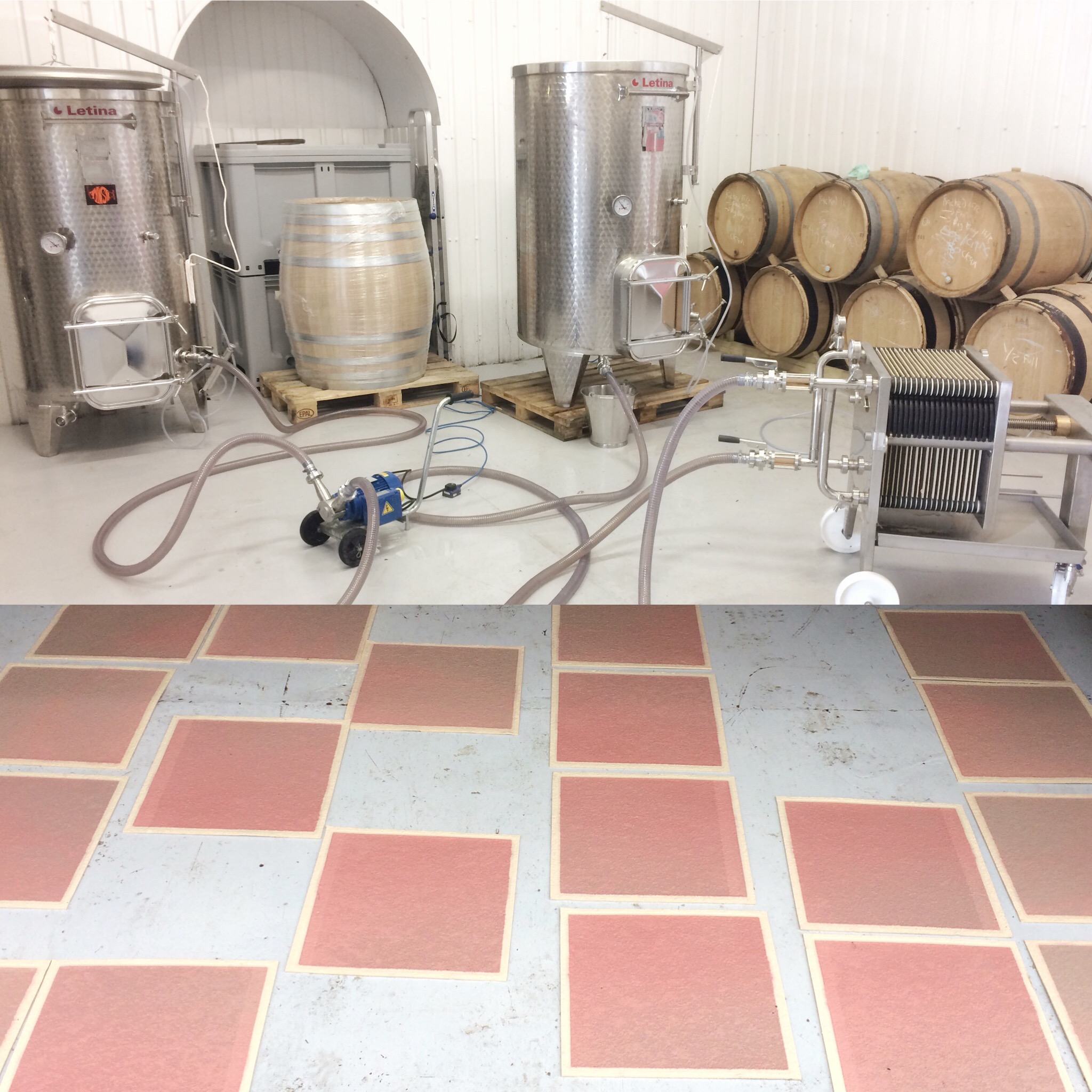
Winemakers may opt to clarify in order to get a crystal clear finish on wines. There is a two step process in order to create this. The key one is filtration, where wine is passed through a series of filters or diatomaceous earth (ground rock sediment) to capture the very small particles and residue that can cloud a wine.
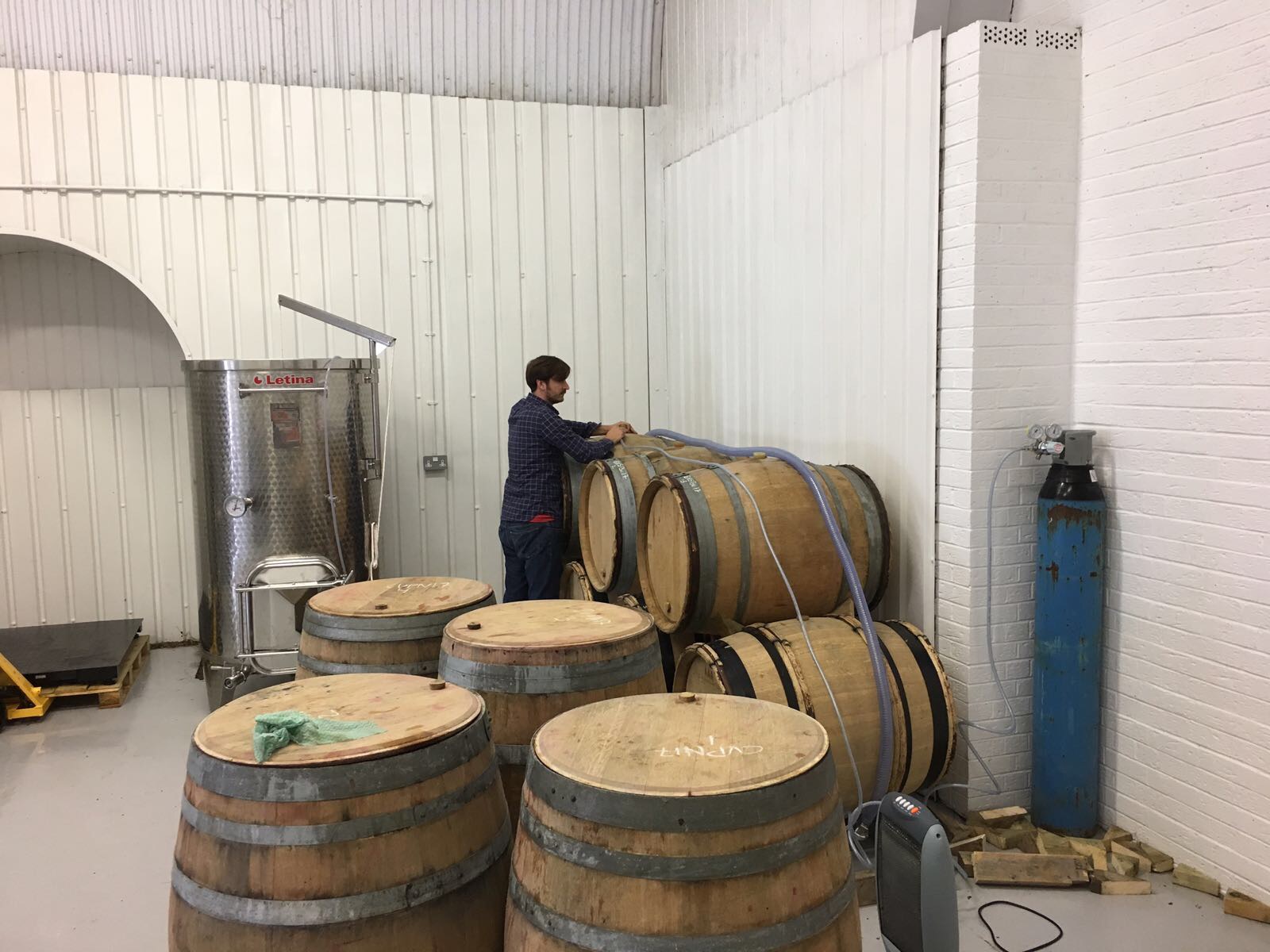
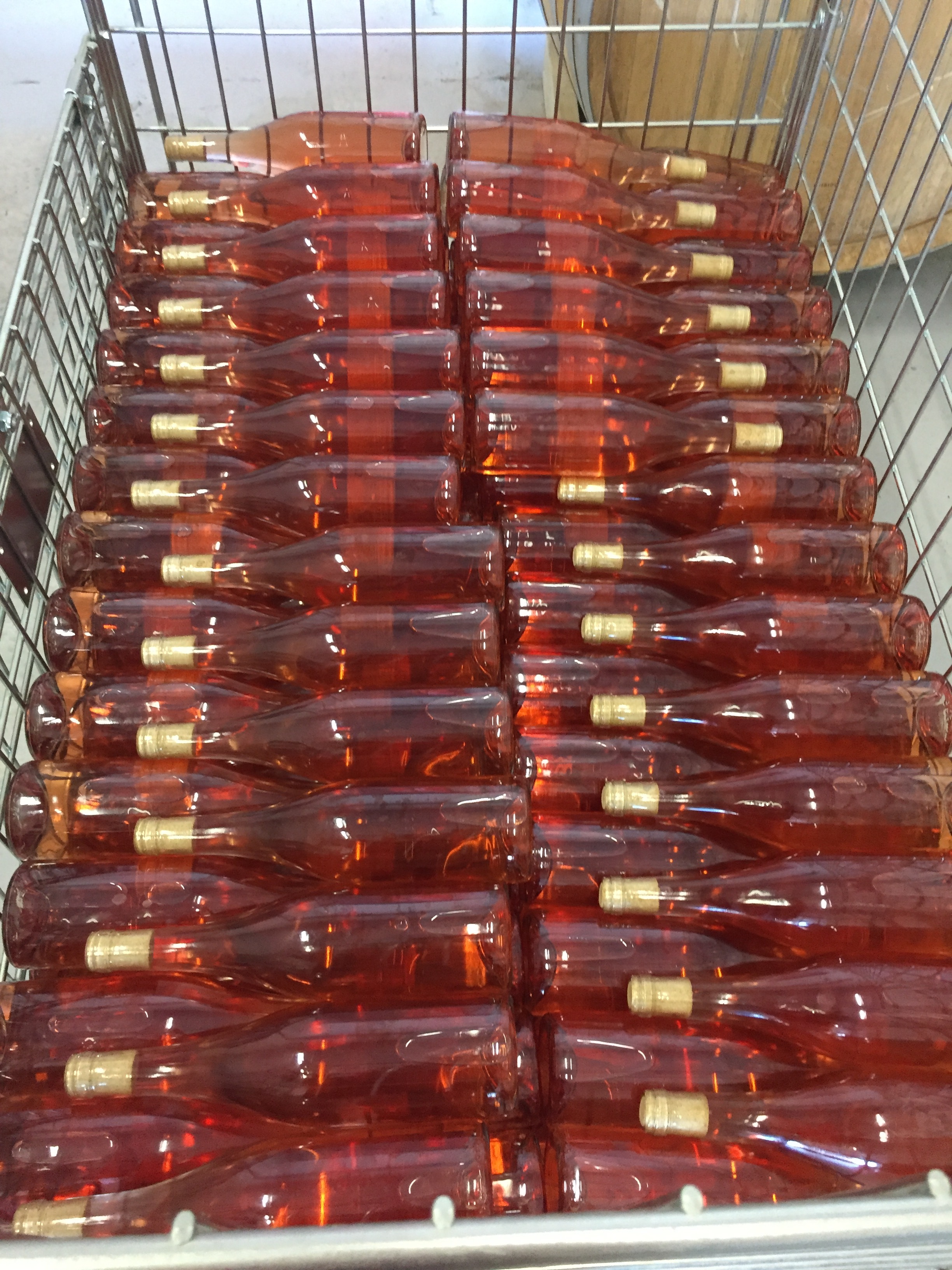
In order to aid filtration, a further process is one that may be employed, called fining. Fining is the addition of a range of agents prior to filtering, as means to bind together the various elements through a positive/negative attraction, kind of like a magnetic attraction, that cause haze - proteins, tartrates, tannins and phenolics. By binding, they clump and can be readily removed through filtration. Many fining agents are non-vegan, for example gelatine (animal fat), casein (milk based) isinglass (fish bladders) and egg white / egg albumin. There are also things such as bentonite (clay) used to fine as an alternative to the other products. In 2017, we chose to only filter one wine, our rosé, and we did that without fining the wine. We filtered to ensure a crystal clear finish of the wine. For our subsequent releases we favoured a carefully monitored racking or soutirage (the process of siphoning wine from one container to another to remove sediment) using gravity where possible, to achieve a clear finish without an unnecessary intervention. This has resulted in uncompromised flavours which we think you would agree is helping us produce the best product that we can.
So, there we are! A little bit wiser and little more entertained (hopefully!)

The filtration process in action for our 2017 rosé

Ready to launch
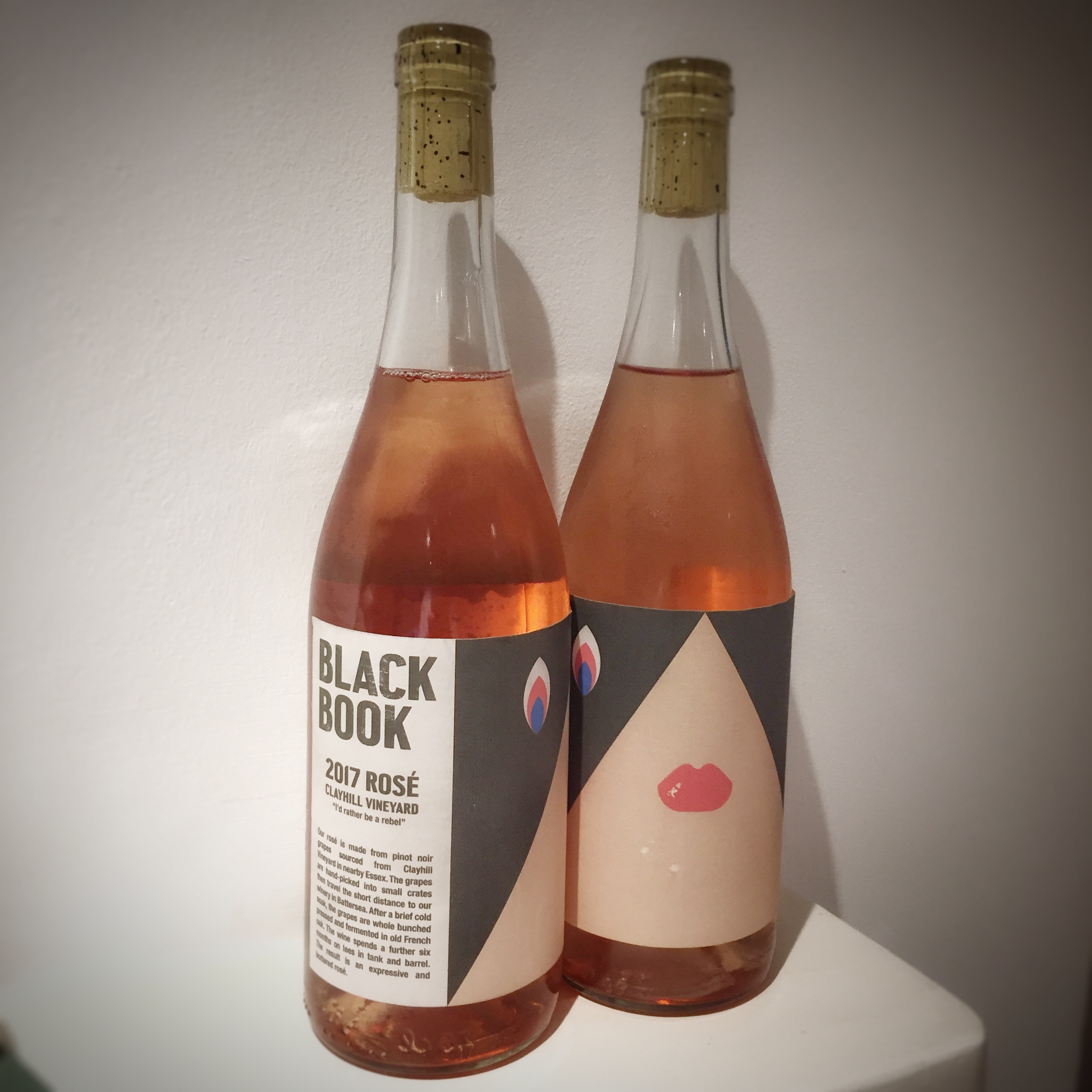
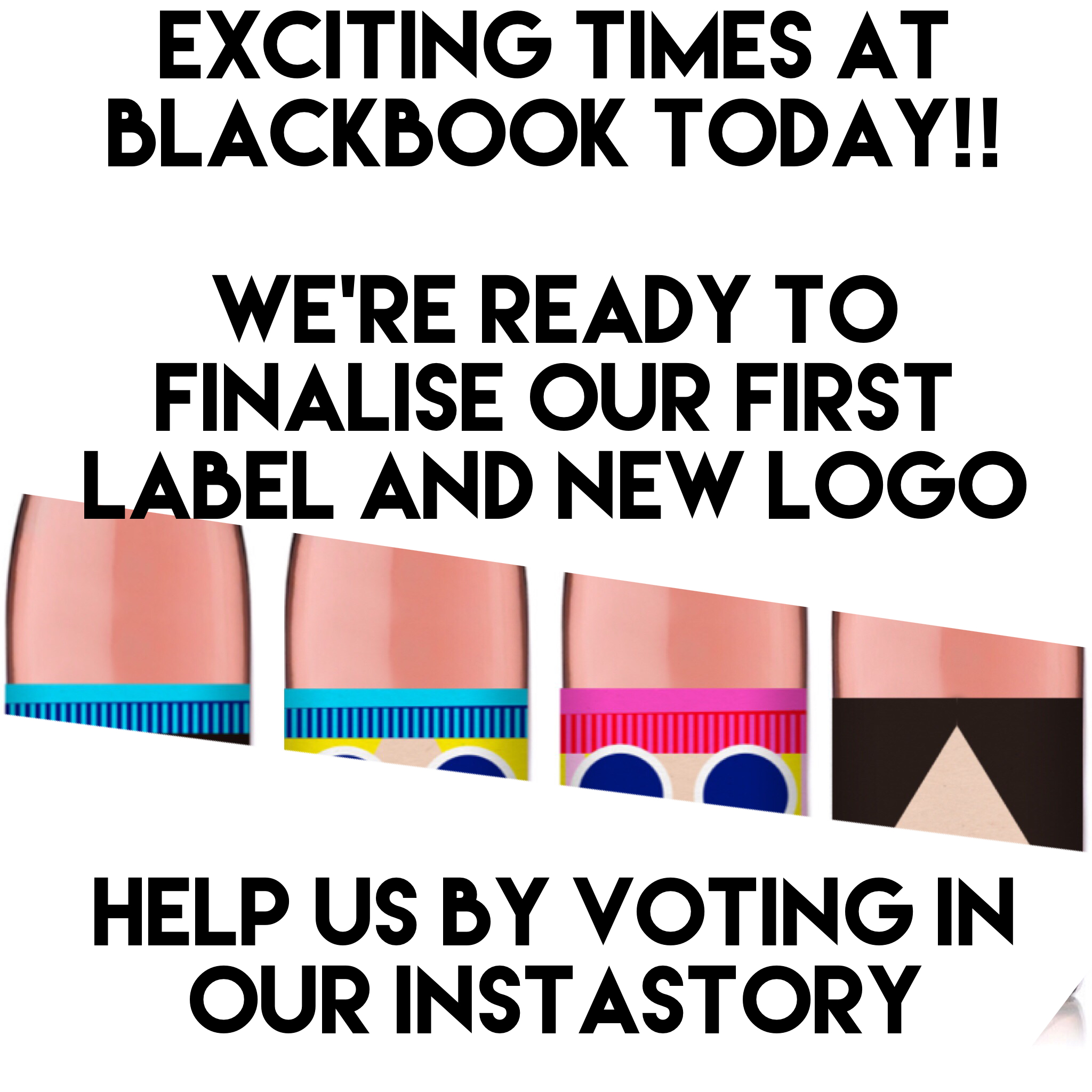
It's been a busy 12 months for Blackbook as we've set up our Battersea premises, sourced our first English grapes, completed a hectic harvest and now bottled and labelled our first release. We're ready to launch to the market, starting with our Essex-grown, London vinified pinot noir rosé. There are 3 more wines maturing away down in Battersea, a still chardonnay, still pinot noir and a sparkling seyval blanc, our “GMF”. All three will be released later this year.
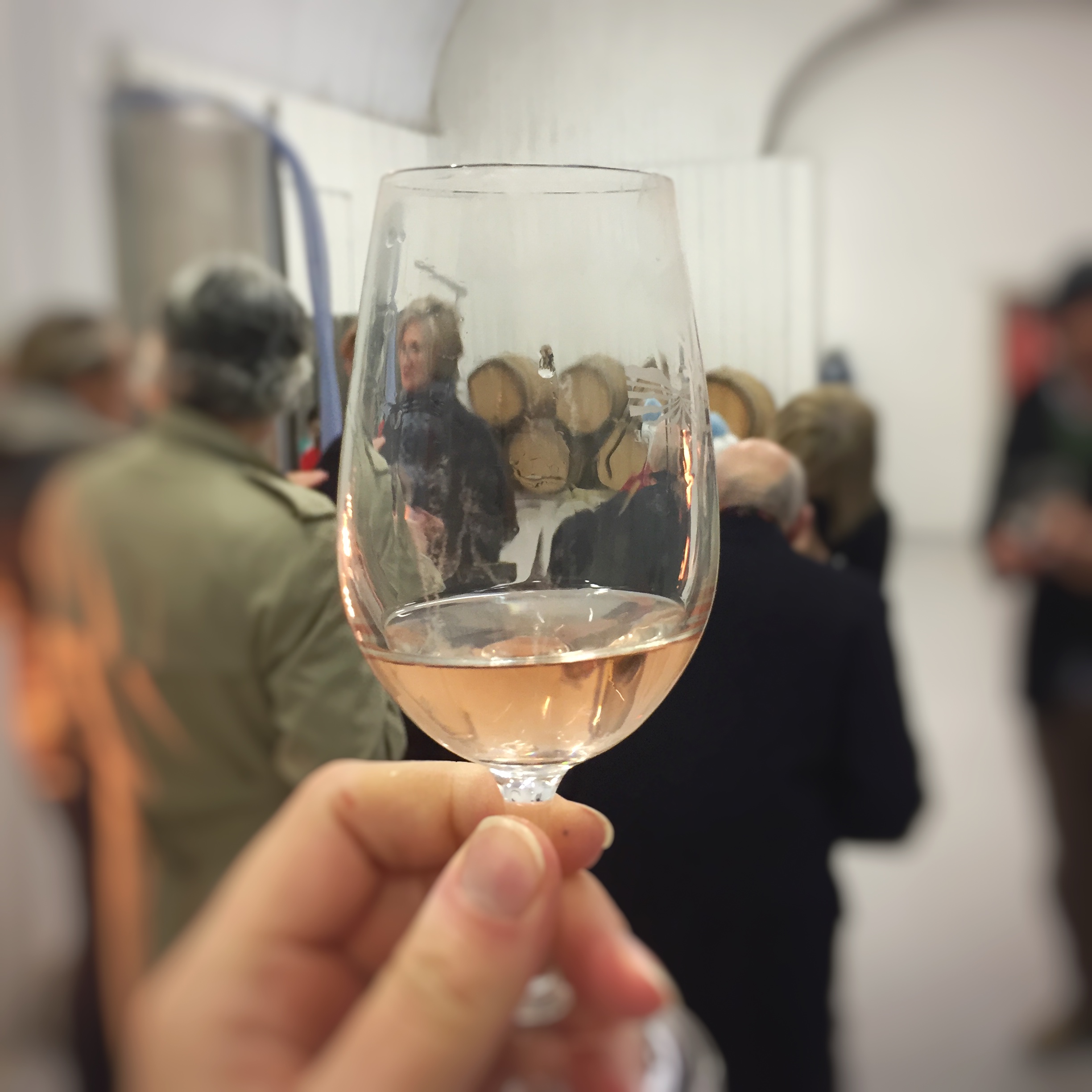
We only have 1,000 bottles of the rosé, which has been awarded a Silver medal by Drinks Business Global Rosé Masters 2018. It will soon be on the wine list at Michelin-starred Chez Bruce and we also have advance orders from local merchants, Dvine and Cellar SW4.
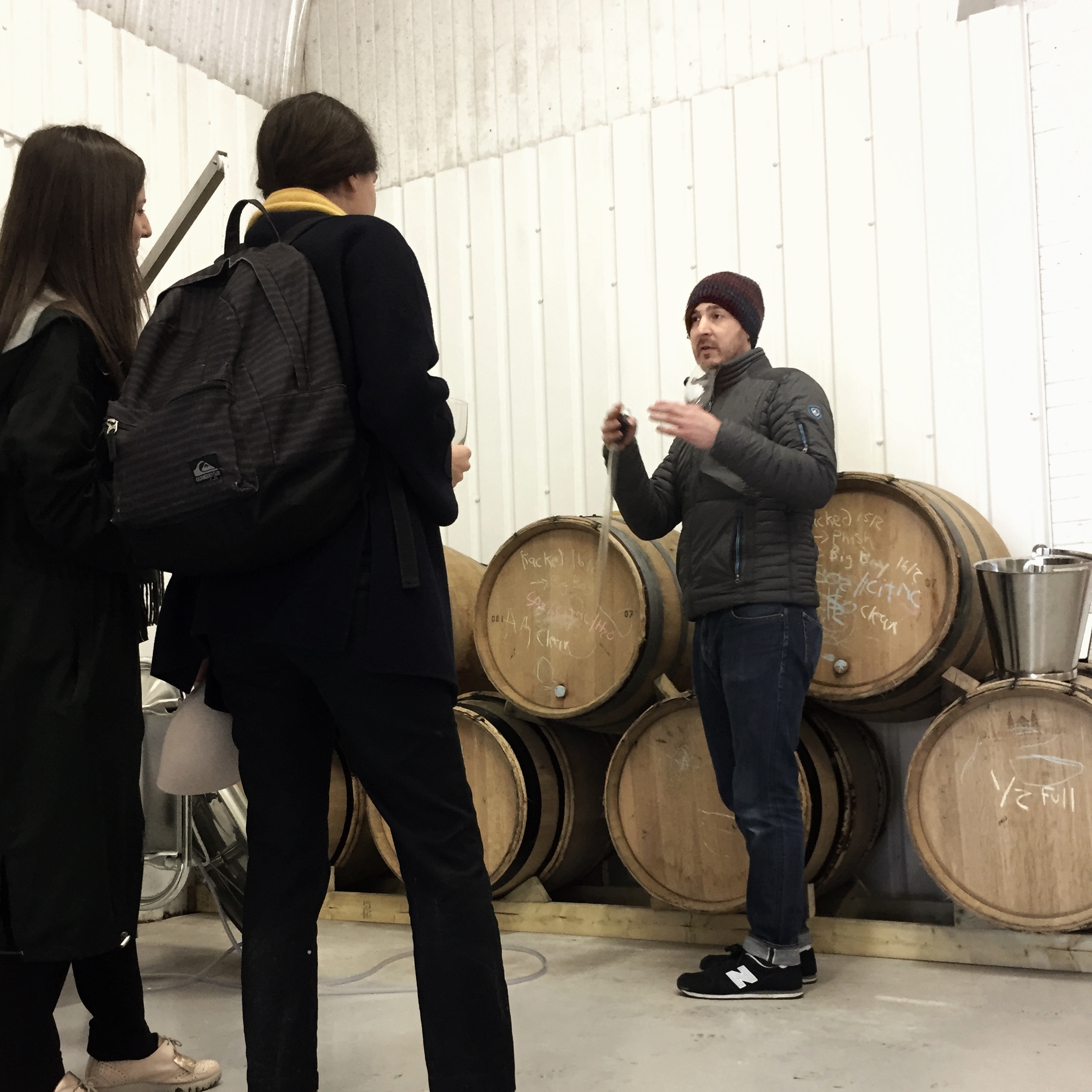
Come and join us at CellarSW4 in Clapham on the 30th May as we takeover the bar for a “Blackbook Hijack” and we’ll be pouring our rosé alongside 2 other wines that Sergio, our winemaker, helped to make during his previous vintages at Ata Rangi in New Zealand and Mulderbosch in South Africa.
We’ll be beginning winery tours in July, booking details will soon be available in our shop.
Our online shop is now live and offers a quick route to order our rosé and have it delivered to your door. We are offering a special release discount for our mailing list customers so sign up now to receive details.
We’d love to hear from you so please get in touch and tell us what you think of the wine and website.
Our journey from choosing the site through to bottling our first wine...