
Blackbook Reserve Wines
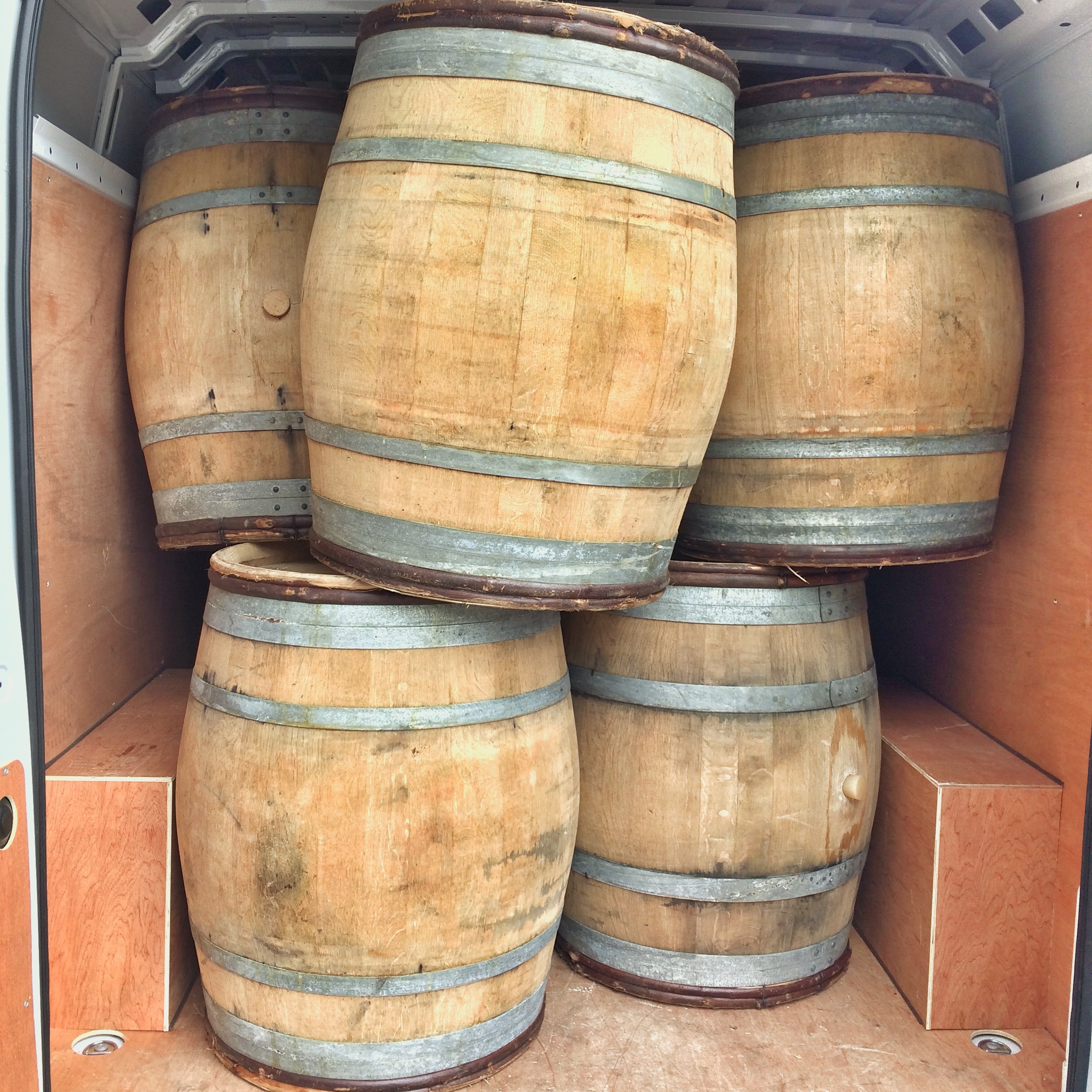
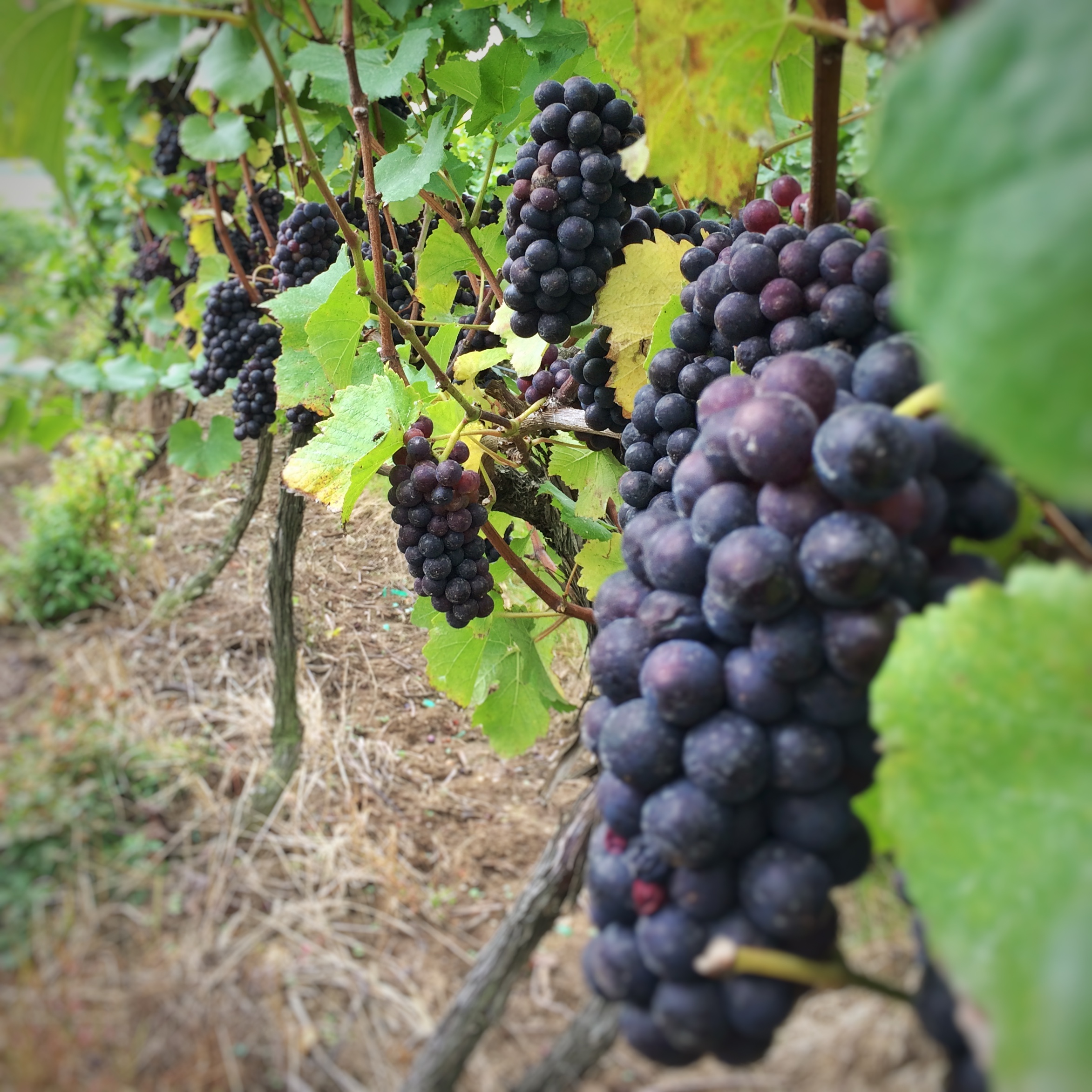
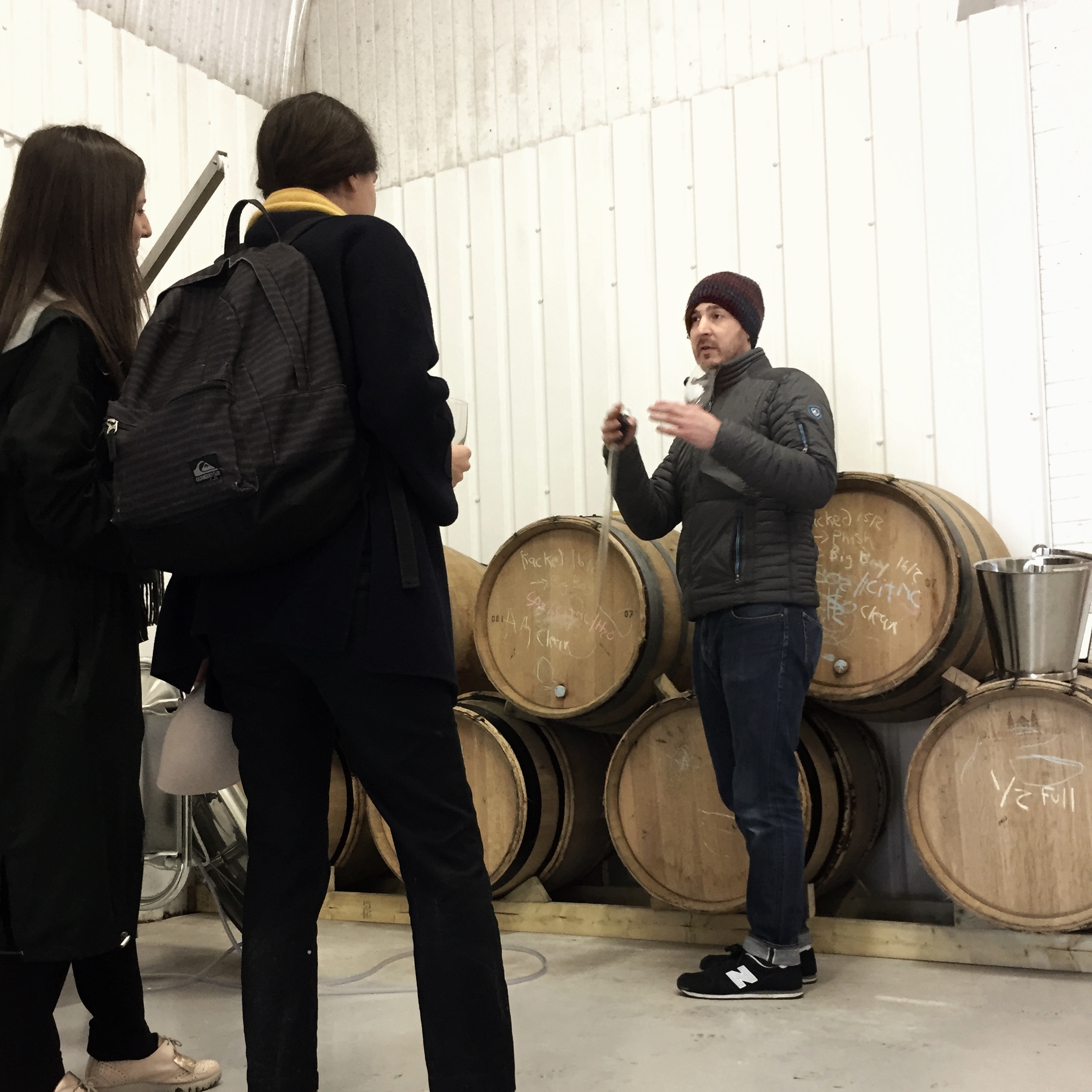
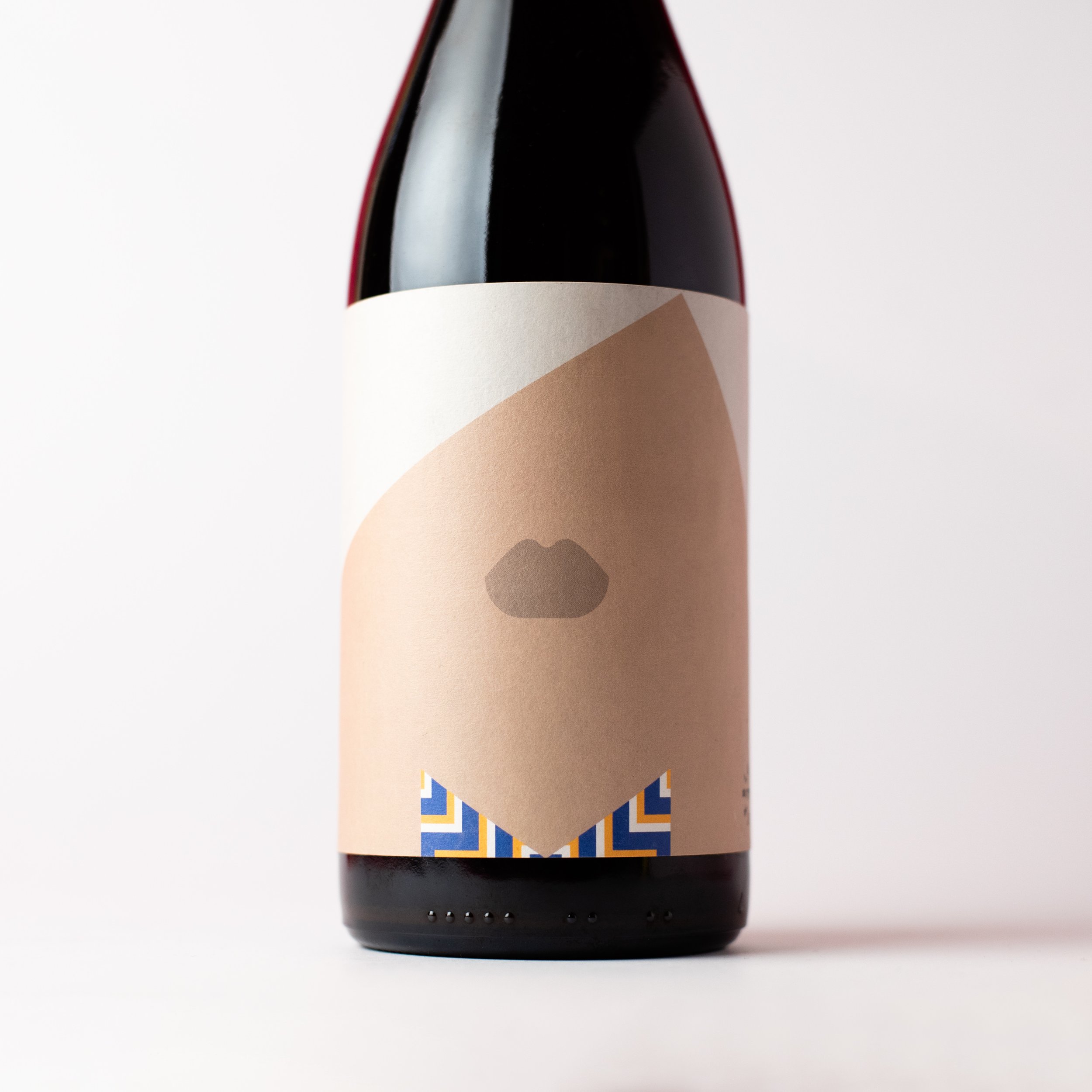
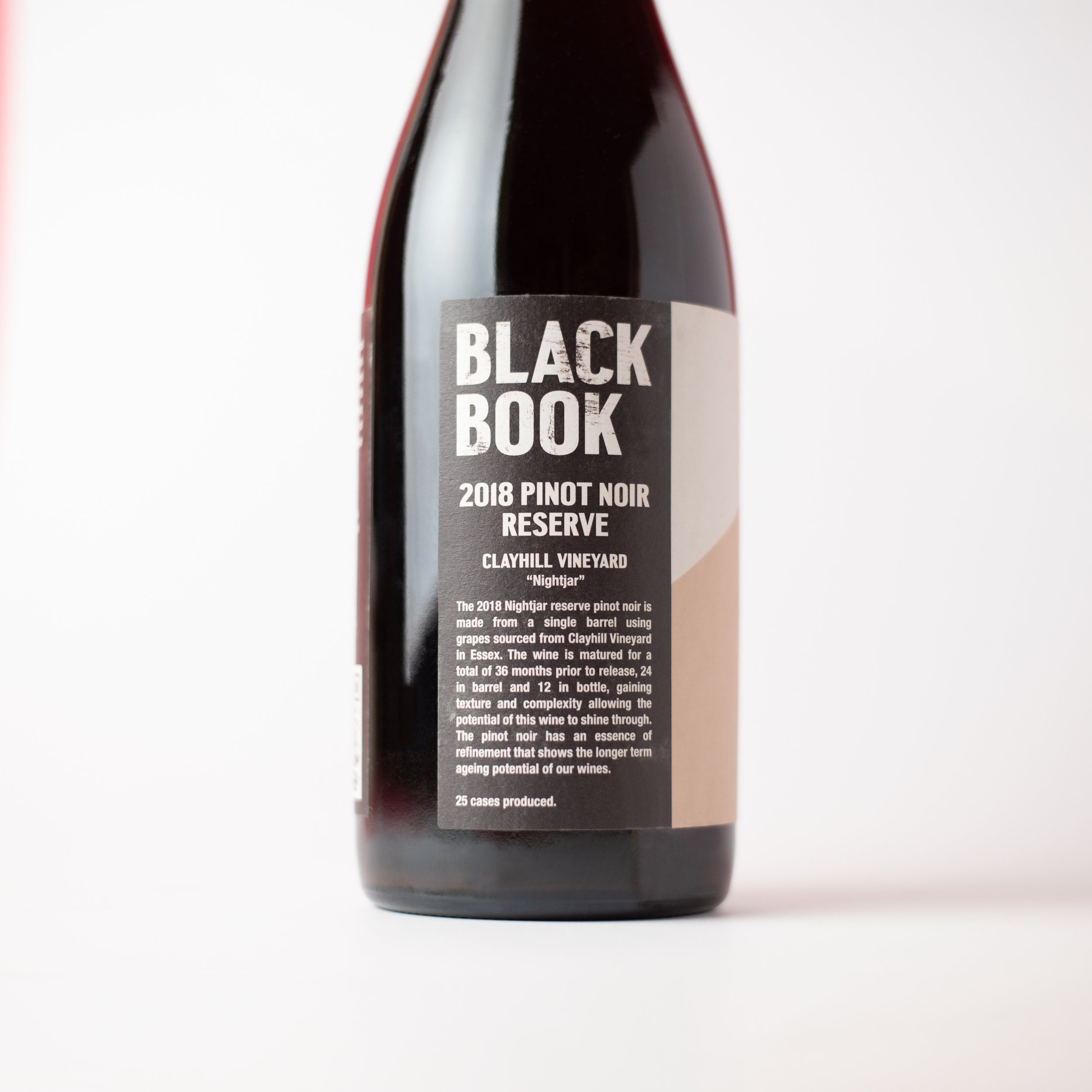
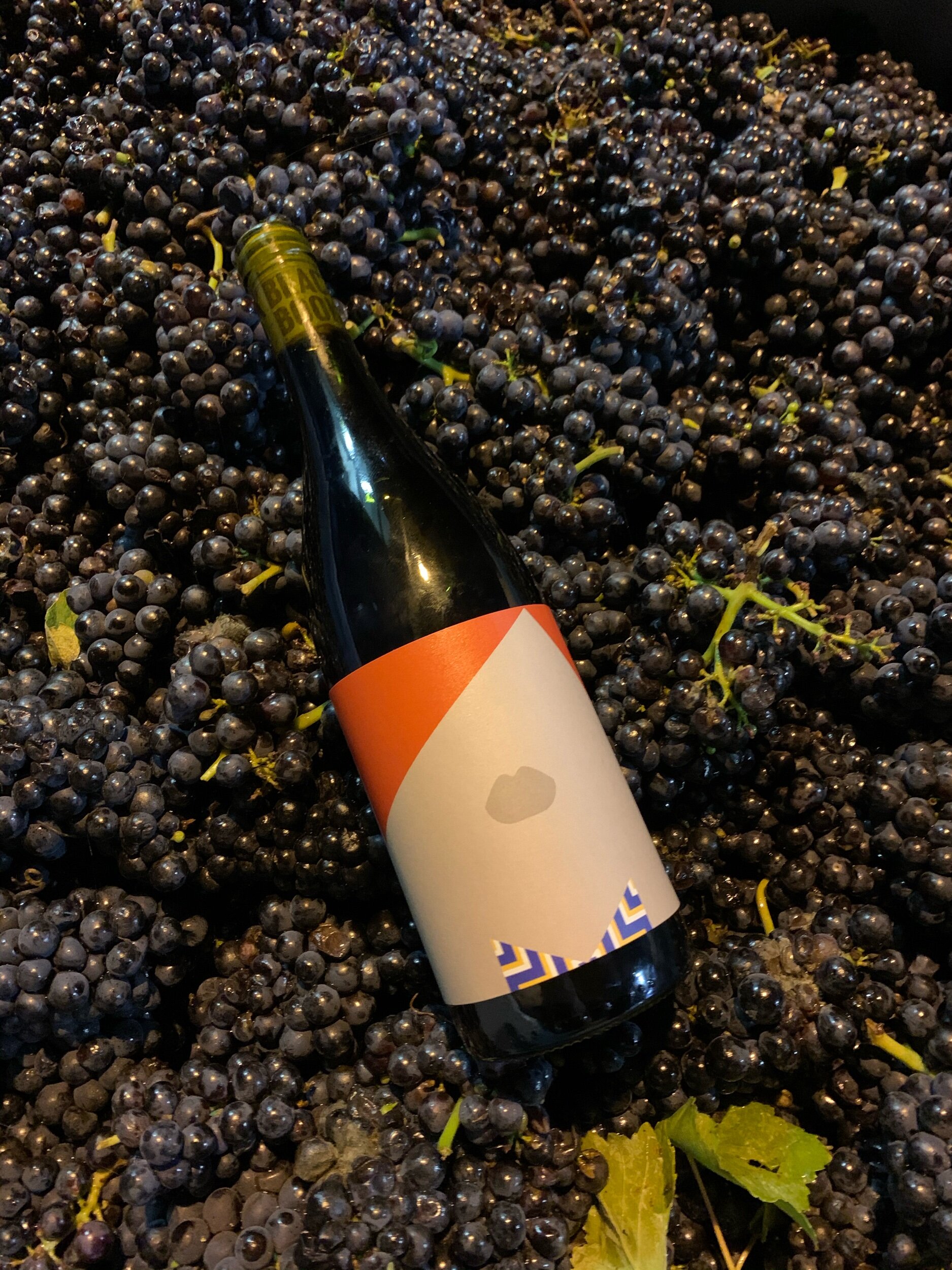
Our goal from the beginning of the journey at Blackbook, was to show that you can make stellar pinot noir and chardonnay in England, and this week marks another milestone in that journey as we release the first of our reserve wines. We’ve been working with the Symons Family at Clayhill Vineyard since our first release in 2017. Dale has a stunning site in the Crouch Valley and he shares our determination to make high quality still pinot noir and chardonnay in England, and we use his burgundian grape clones to make our flaghship Painter of Light chardonnay and Nightjar pinot noir. After a great reception to our 2017 release, we decided to take a leap and save a barrel of each wine for extra ageing in order to create a ‘reserve’ version of our core cuvees. In 2018 it was England’s ‘big’ harvest, and this was when we started to hold back wine. We have had a barrel of the 2018 Painter of Light and 2018 Nightjar in the winery for 2 full years, then another year aged in bottle. These wines have had 3 years of ageing, compared to our normal 1, and that extra time demonstrates the great potential for making world class still wine in England. We have less than 300 bottles of each of these wines. The labels are once again designed by our talented friends, the Yarza Twins, who have created the grown up version of their core wine counterparts.
The 2018 Painter of Light chardonnay reserve and 2018 Nightjar pinot noir reserve are online now.
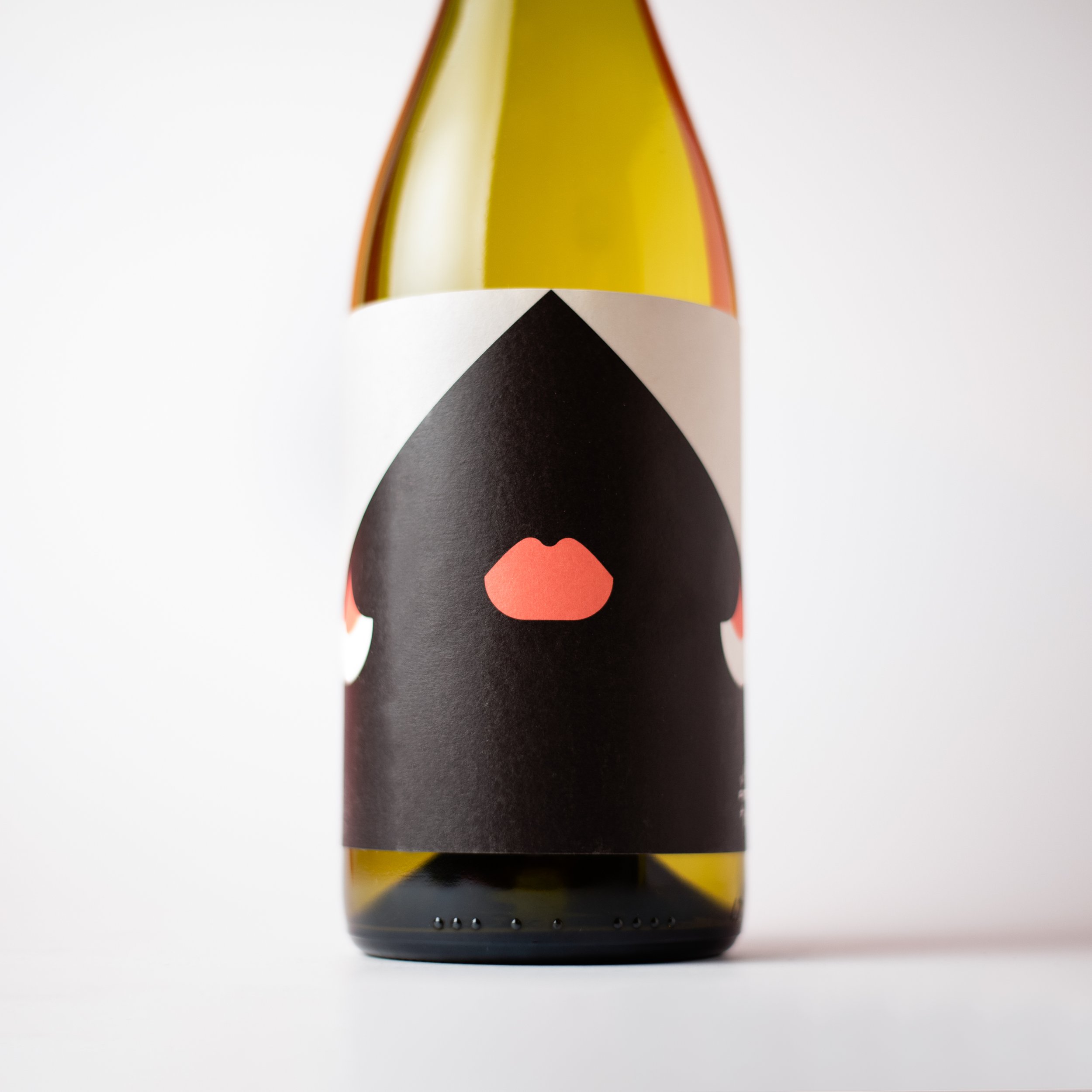
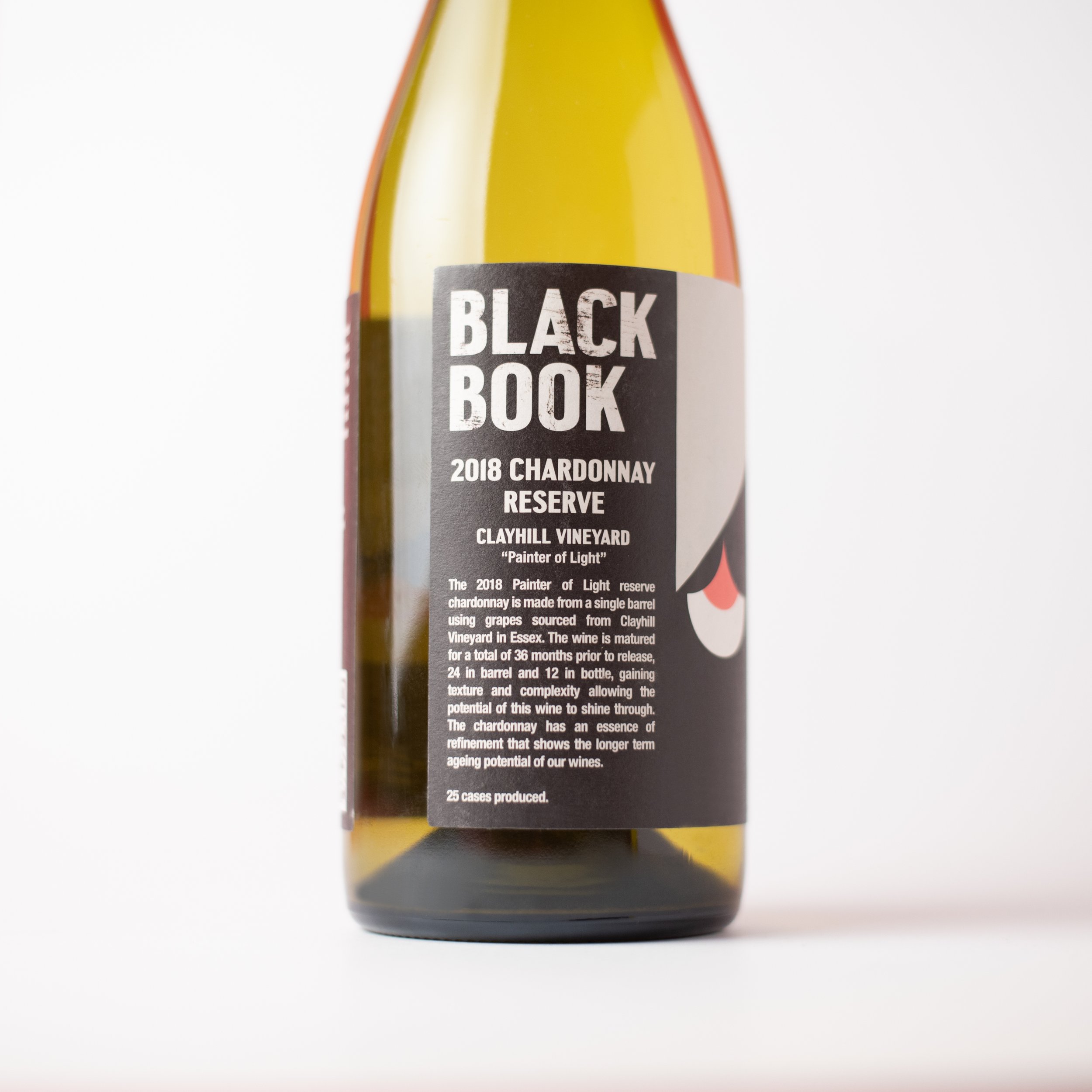
In these unusual times
Everyone now understands the impacts and the effect of this current pandemic. We don’t need to restate the way it has affected us, you get it, and we are trying to keep positive and grateful for a situation that could be worse for us personally (like the Southern Hemisphere dealing with this throughout harvest, or businesses reliant on footfall and social interaction).
We are a small business, yet as a largely B2B manufacturer, we don’t know exactly how it will hit us as we don’t have a steady day to day income stream, so hard to predict. Many of our customers are feeling the immediate impact, particularly the bars and restaurants. Our thoughts & hopes are with them to weather this storm and come back blazing once we can relax the social distancing. Some of these are repurposing, like Bistro Union who will become a store selling fresh pasta and other things, and many moving to take away/delivery only, like Dvine Cellars.
We will post about any of these businesses on our instagram and hope that you can continue to support them as they switch to a model that works in this context. We hope that you can choose to shop local right now and help small business owners survive.
We will lose sales to the on trade over the next few months, and we hope that we can fill this gap with more sales direct to consumer, and be an option for Brits that are skipping the night out but still want to enjoy a nice bottle of wine at home. We will be taking great care with the handling of the wine, carefully cleaning and packaging wines to be sent. During this time, and until further notice, we offer some additional services to our customers:
FREE LOCAL DELIVERY: If you live local to the winery (SW8, SW4, SW9 & SW11) then we will offer FREE DELIVERY of orders of 3+ bottles
SATURDAY CELLAR DOOR: We will have open doors on Saturday 1-5PM this weekend so you can visit the winery and stock up direct
DOOR DROP SERVICES: If you order a delivery from us, whether local or UK wide, and if you require a drop off outside your home due to quarantine, we are happy to take specific instructions and ensure that your wine can arrive safely. Use the ‘Delivery Preferences’ section of our checkout
EXTENDED GIFT VOUCHER EXPIRATION: We are adding 6 months as standard to all current gift voucher expirations and each new voucher purchased will be valid for 18 months, until otherwise advised
We also continue to sell gift vouchers for winery tours, so please do consider these as great digital gifts that can be redeemed well into 2021.
Thanks for reading, stay strong, love to all and let’s keep the small businesses alive through this crazy.
Lynsey & Sergio xx
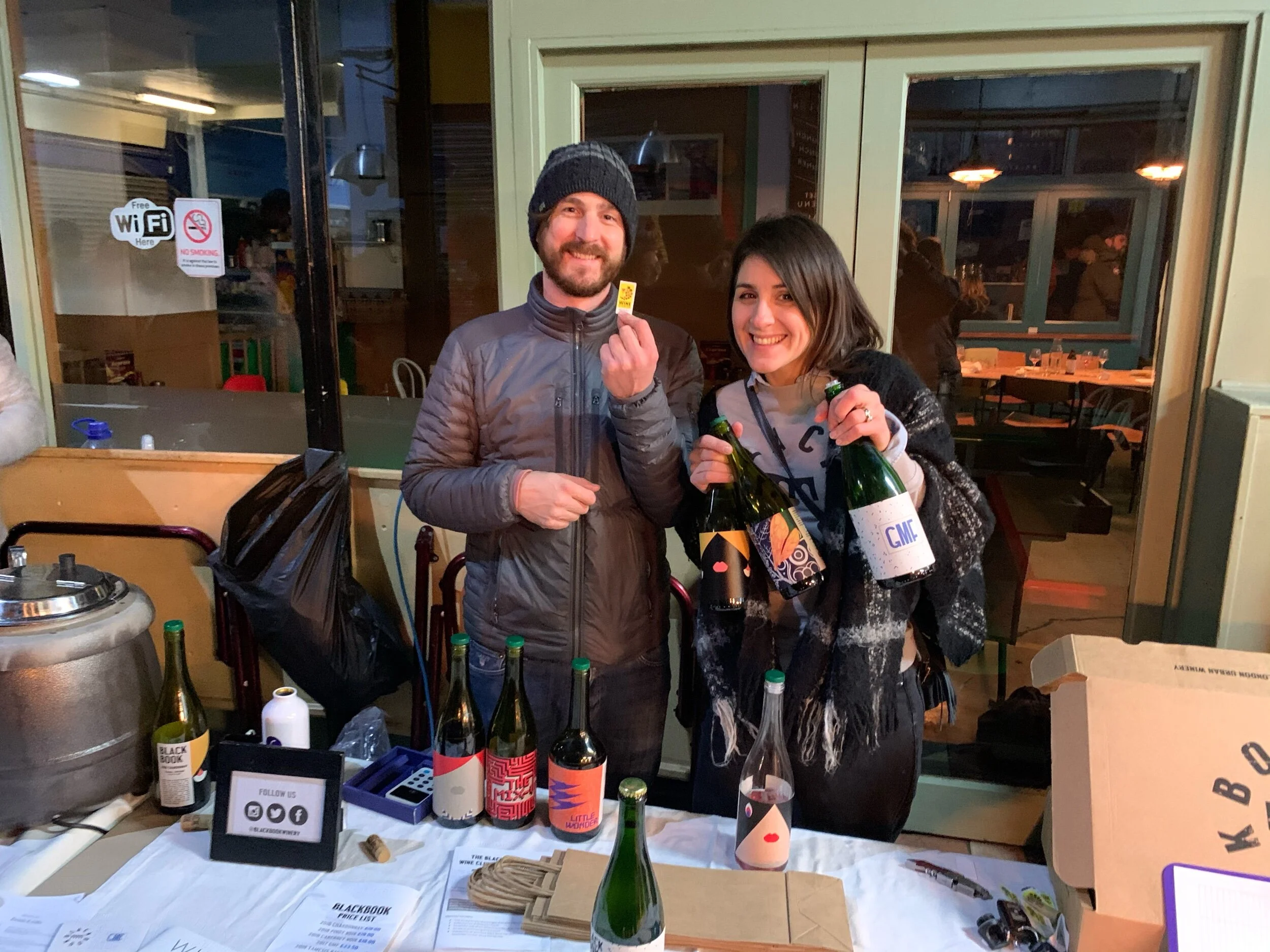
Easier times back at the Brixton Wine Car Boot, Nov 2019

Harvest report 2019
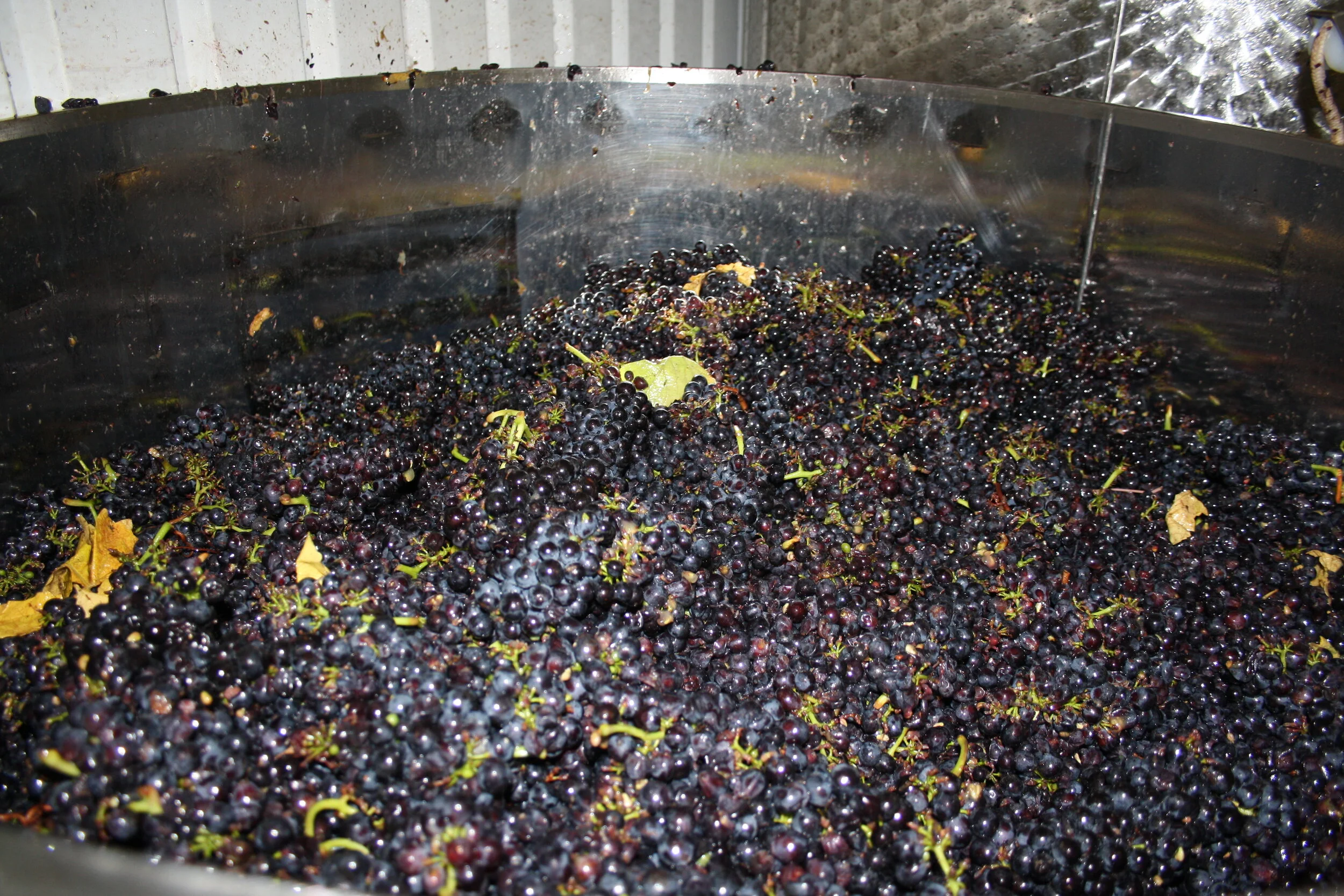
Harvest 2019 in numbers
19 tonnes of grapes
12.5K litres
5 varieties
5 growers
24 volunteers
8 days of picking
85 beers consumed (probably!)
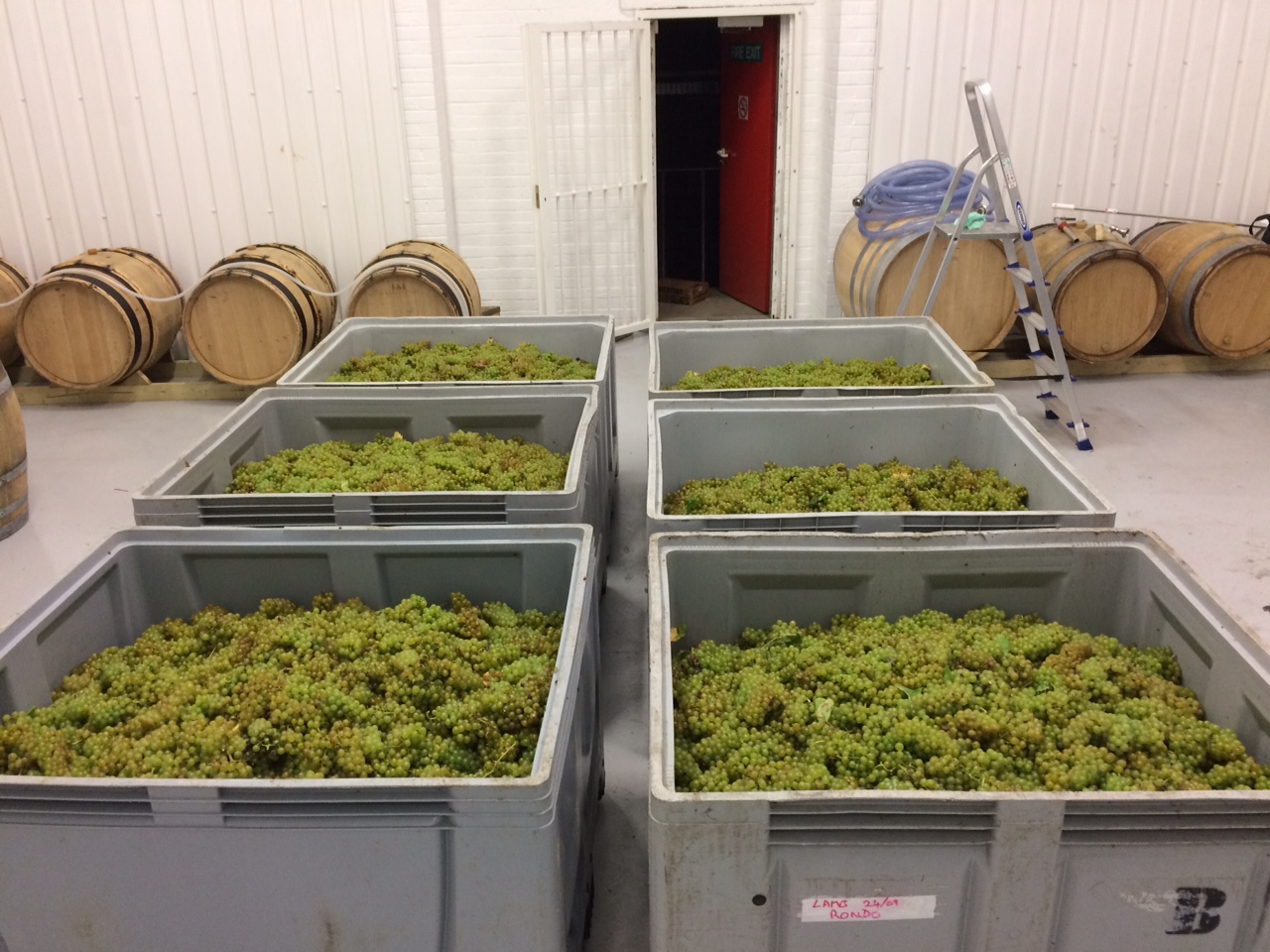
After the bumper 2018 harvest in England with stories of tanks at capacity resulting in grapes being left out for the birds, the expectations for 2019 were generally low. The chances of two super vintages for England were slim. 2019 indeed faced a number of challenges - September average rainfall in South England of 142% vs a typical year - and double last year (91mm vs 45mm, Met Office), and cooler temperatures created conditions which impacted the crucial grape ripening periods. October offered no respite with rainfall in the South of England 175% vs average and sunshine at 83%. This resulted in grapes hanging longer, lower yields due to some loss associated with this and more challenging sugar/acid levels. England is still such a young industry, we’re learning how to prepare for our unpredictable weather and each year quality will continue to improve. We saw our experienced growers really mitigating the tough conditions and producing great fruit at a yield they were happy with. The end result for us in 2019 was a later harvest than usual, with processing starting proper on 16th October, and wrapping up on 25th October. Short and sweet. The timing was also later as we did not work with early ripening varieties, such as bacchus, in 2019.
This year, we worked with 5 vineyards: revisiting four from our 2017/18 vintages - Clayhill Vineyard in Essex, Crouch Valley Vineyard also in Essex, Yew Tree Vineyard in Oxfordshire, and Shotley in Suffolk who we started working with last year but at small scale. We continue to explore East Anglian growers due to their more favourable weather conditions, and we were happy to see the overall progress across our 4 East Anglian growers in 2019. We also added a new grower for 2019 - Combe Bottom, in Sussex.
We received 19 tonnes of grapes this year, a little down on our 2018 which wasn’t too surprising considering the yield variances. We scaled back the varieties we are working with, to concentrate on our core pinot noir (3 sites) and chardonnay (3 sites), plus seyval blanc for our 2019 GMF and this year we are introducing pinot meunier and pinot gris. We haven’t quite finalised what happens for our 2019 wines, however we are expecting both our core range (Painter of Light, Nightjar and I’d rather be a rebel) plus GMF, and on top of this expect to see a still blanc de noir and a new white blend.
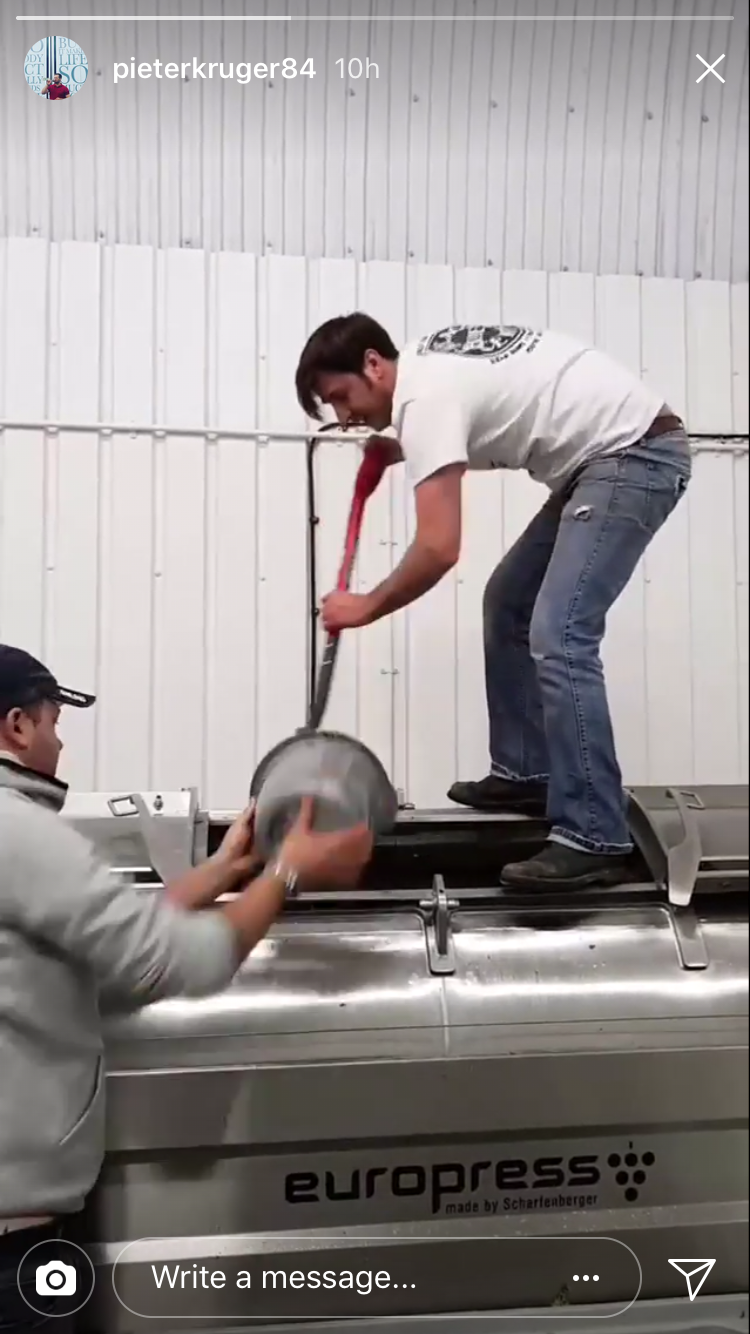
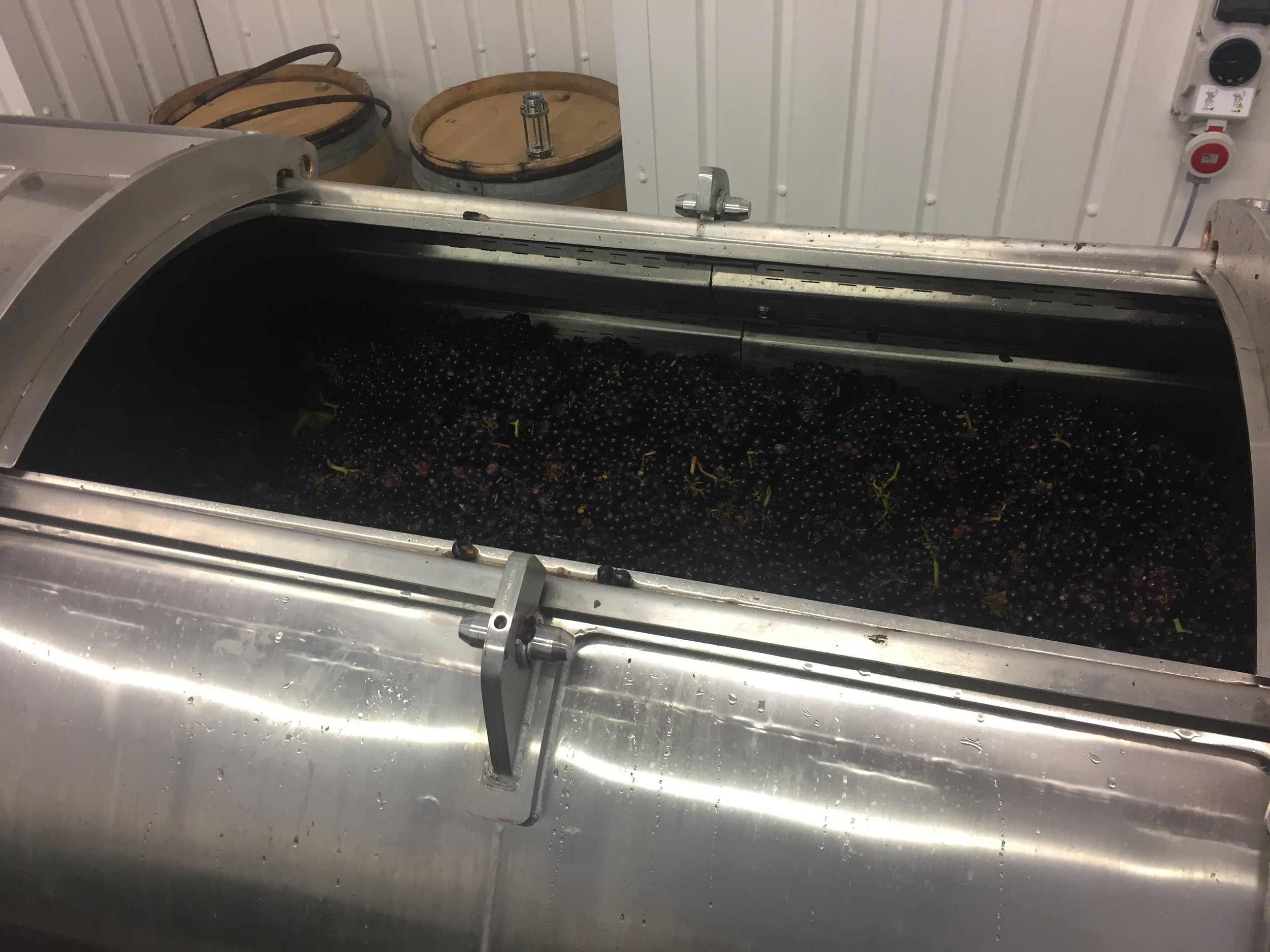
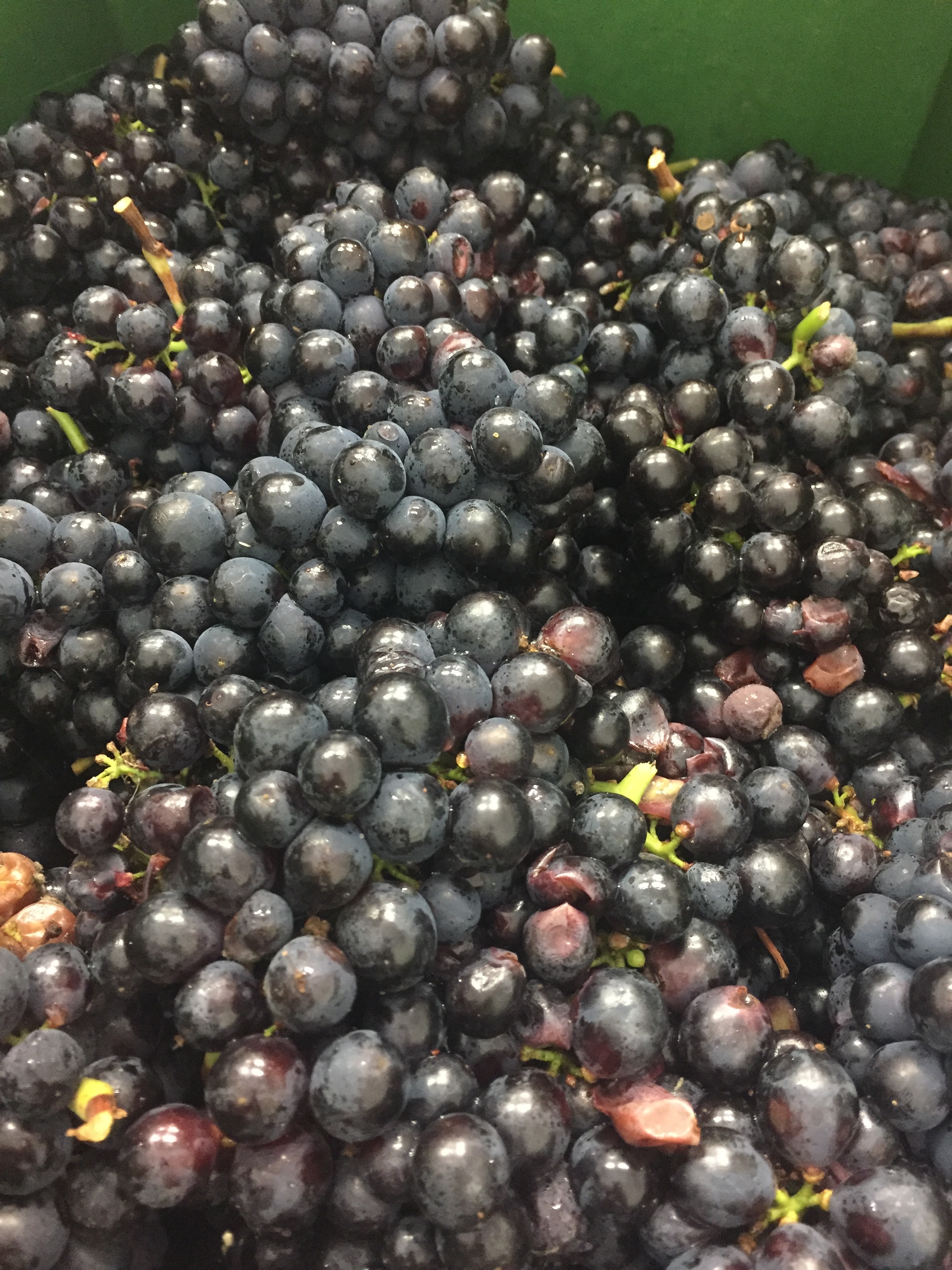
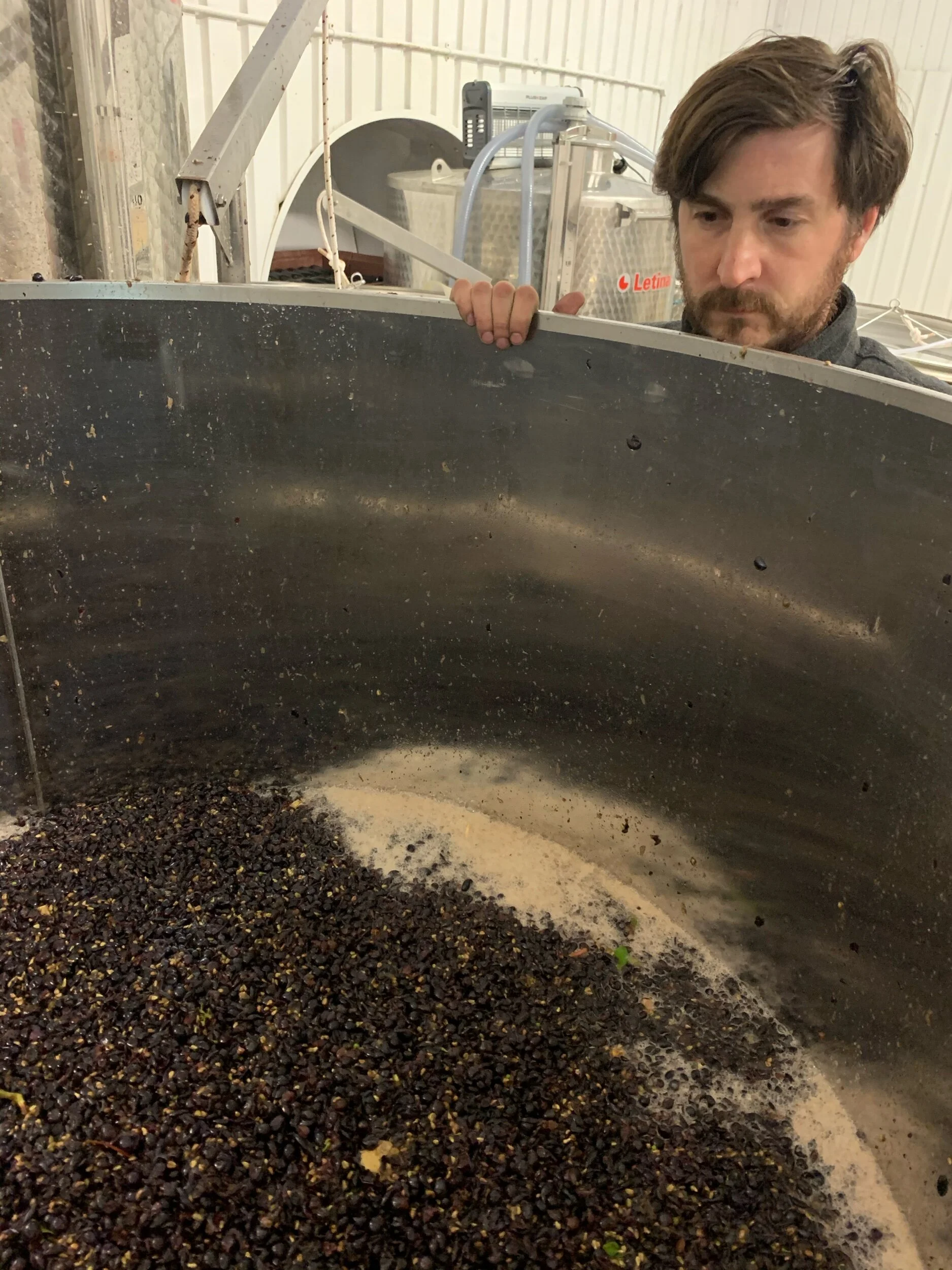
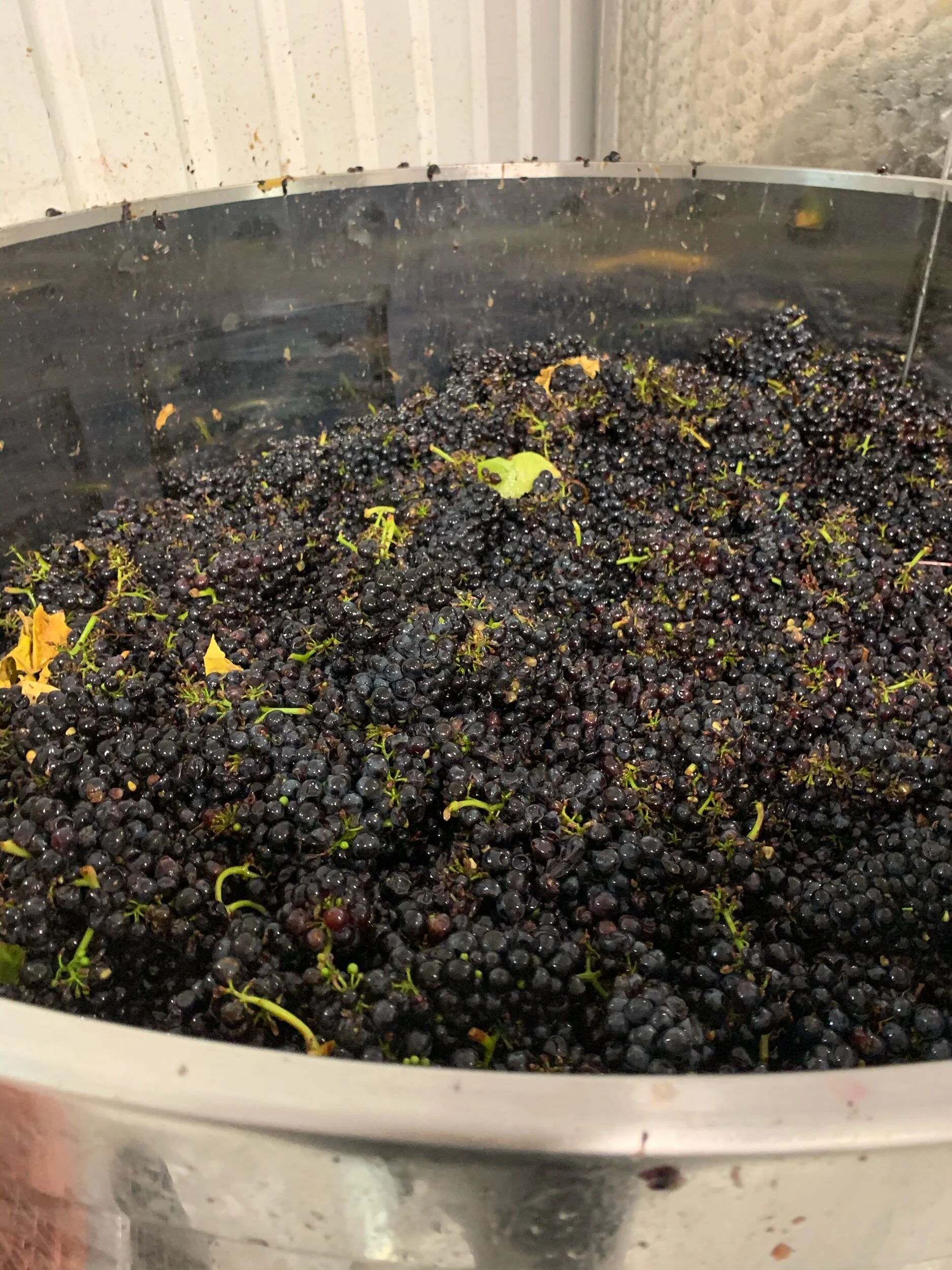
We are following a similar approach to winemaking in 2019 - whole cluster fermentation, daily pigeage, barrel fermentation and gentle oak integration. We will continue with plenty of lees stirring and malolactic fermentation to coax out texture in our wines. The higher acids may result in us ageing in barrel a little longer for certain wines, and we may do an additional sparkling wine. The fun part lies ahead as we see how these wines develop and evolve. The winery currently smells amazing with fermentation going at great guns and in spite of the challenges we’re excited about the prospects of the 2019 vintage.
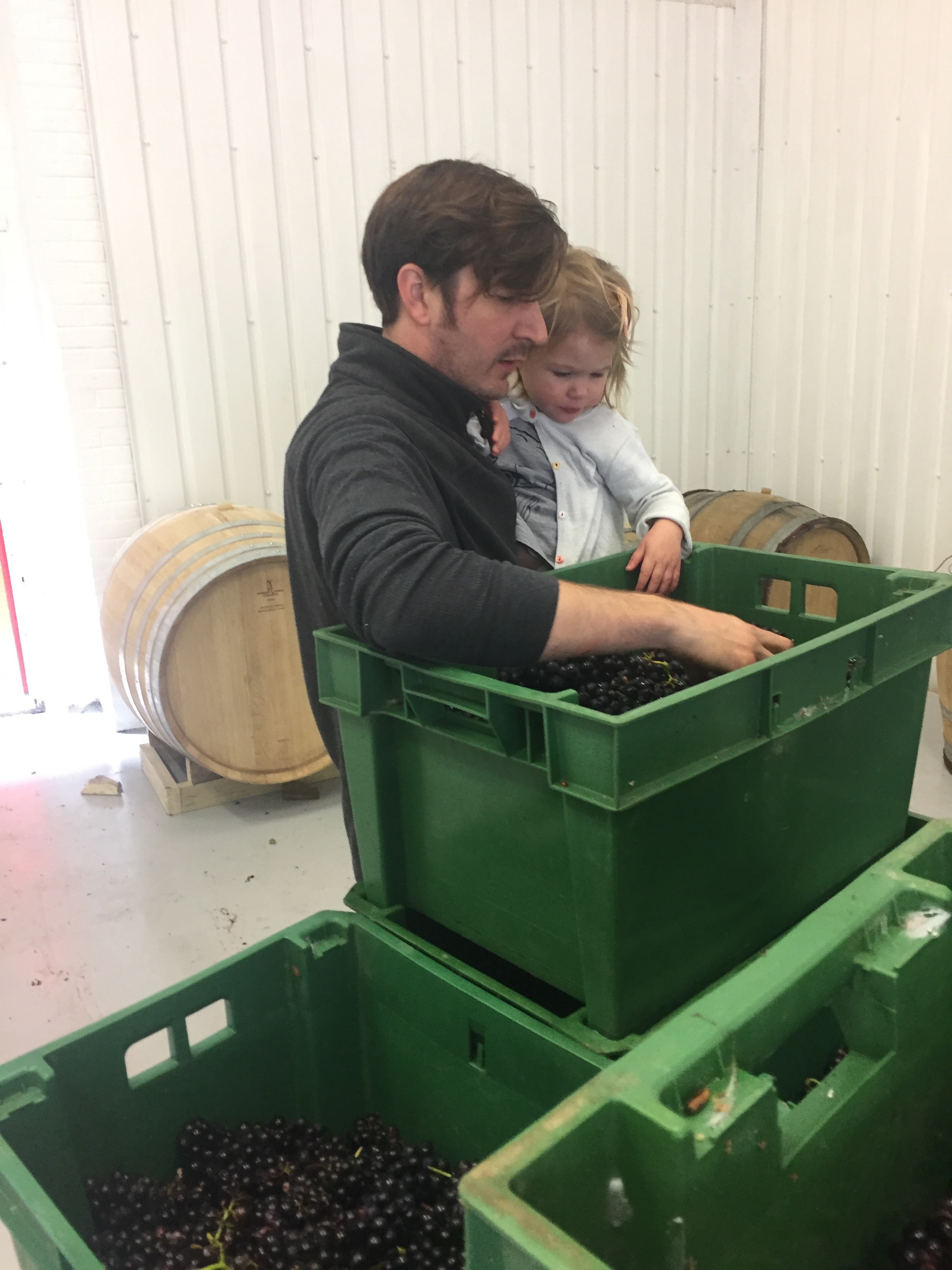
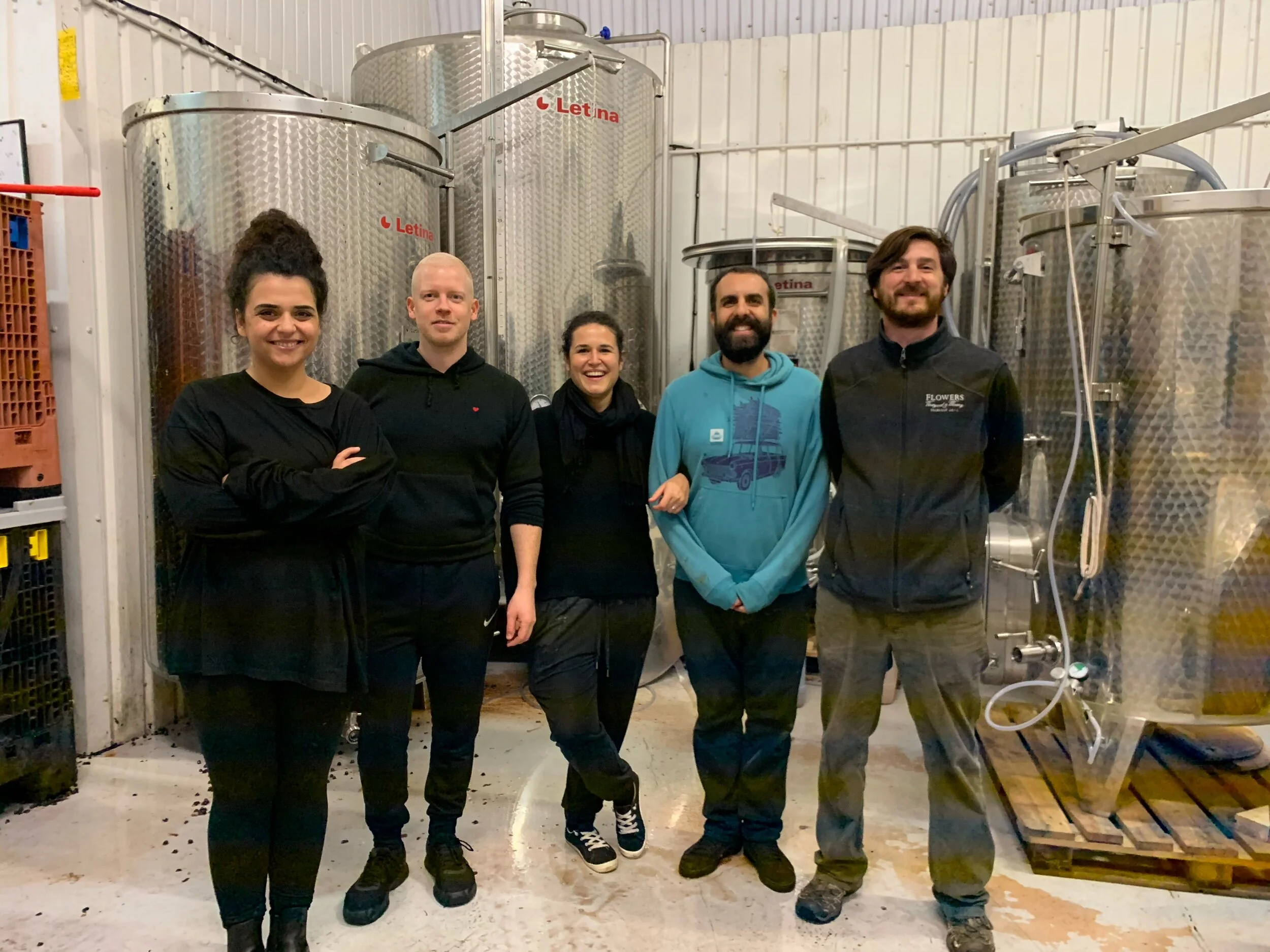
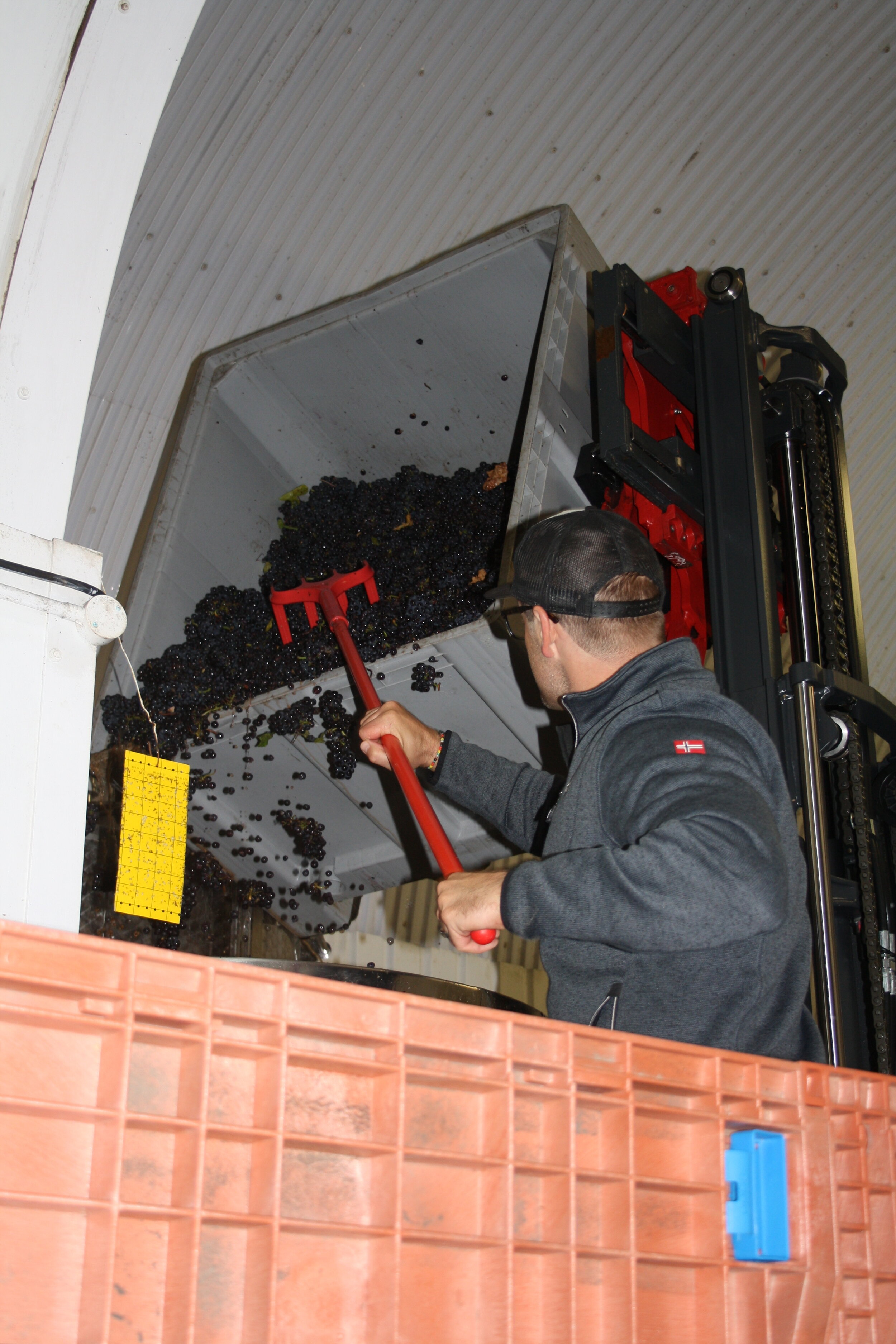
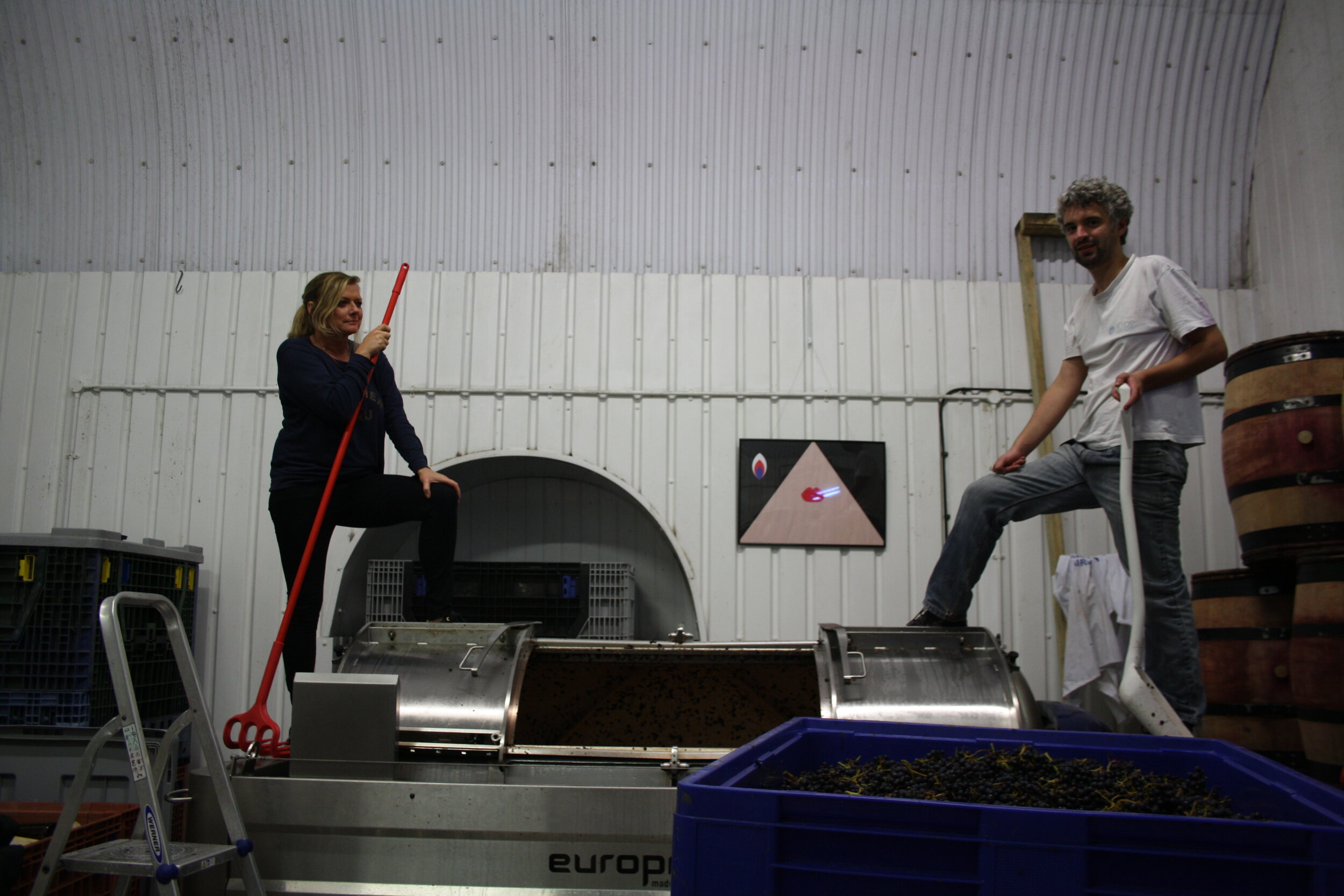
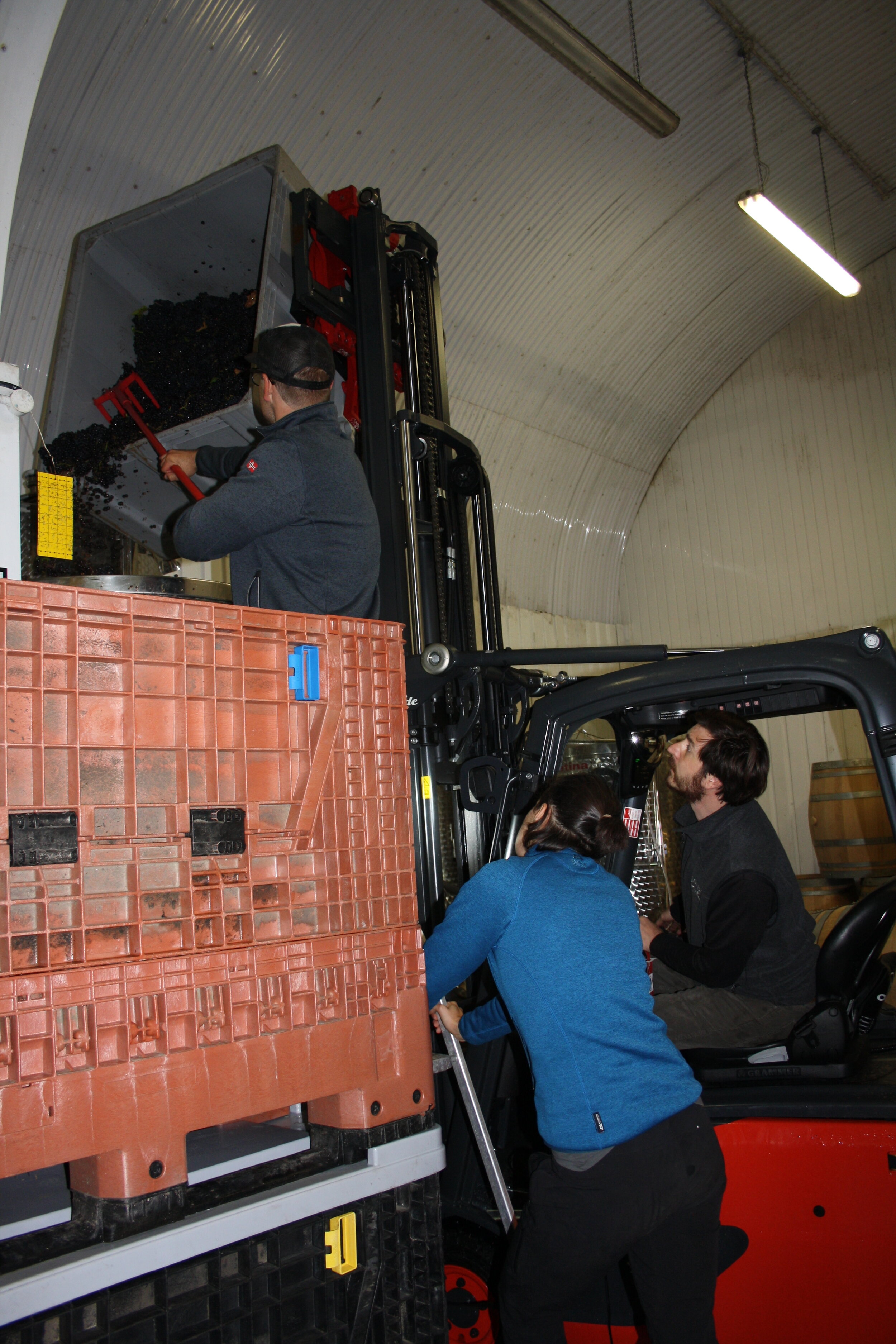
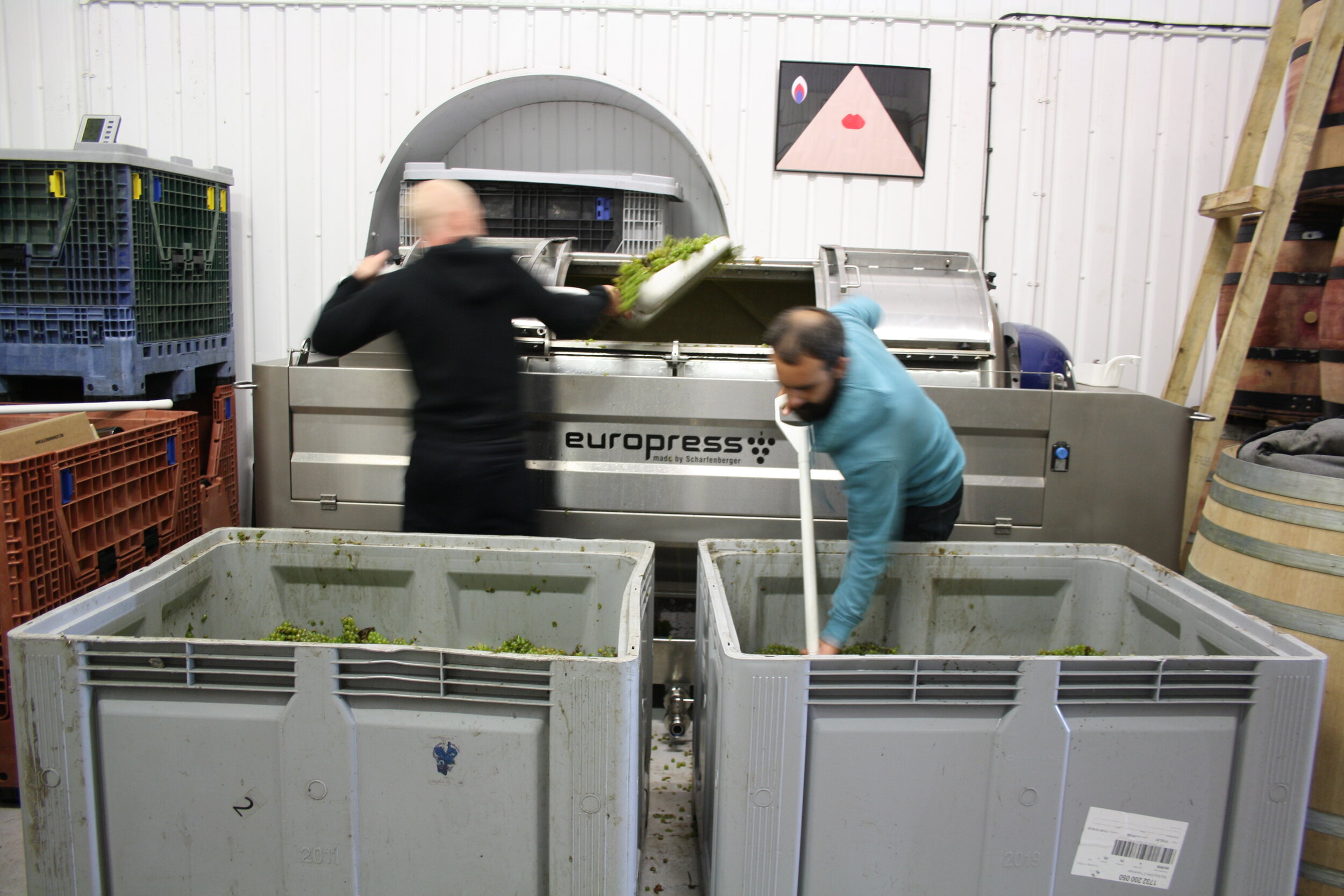
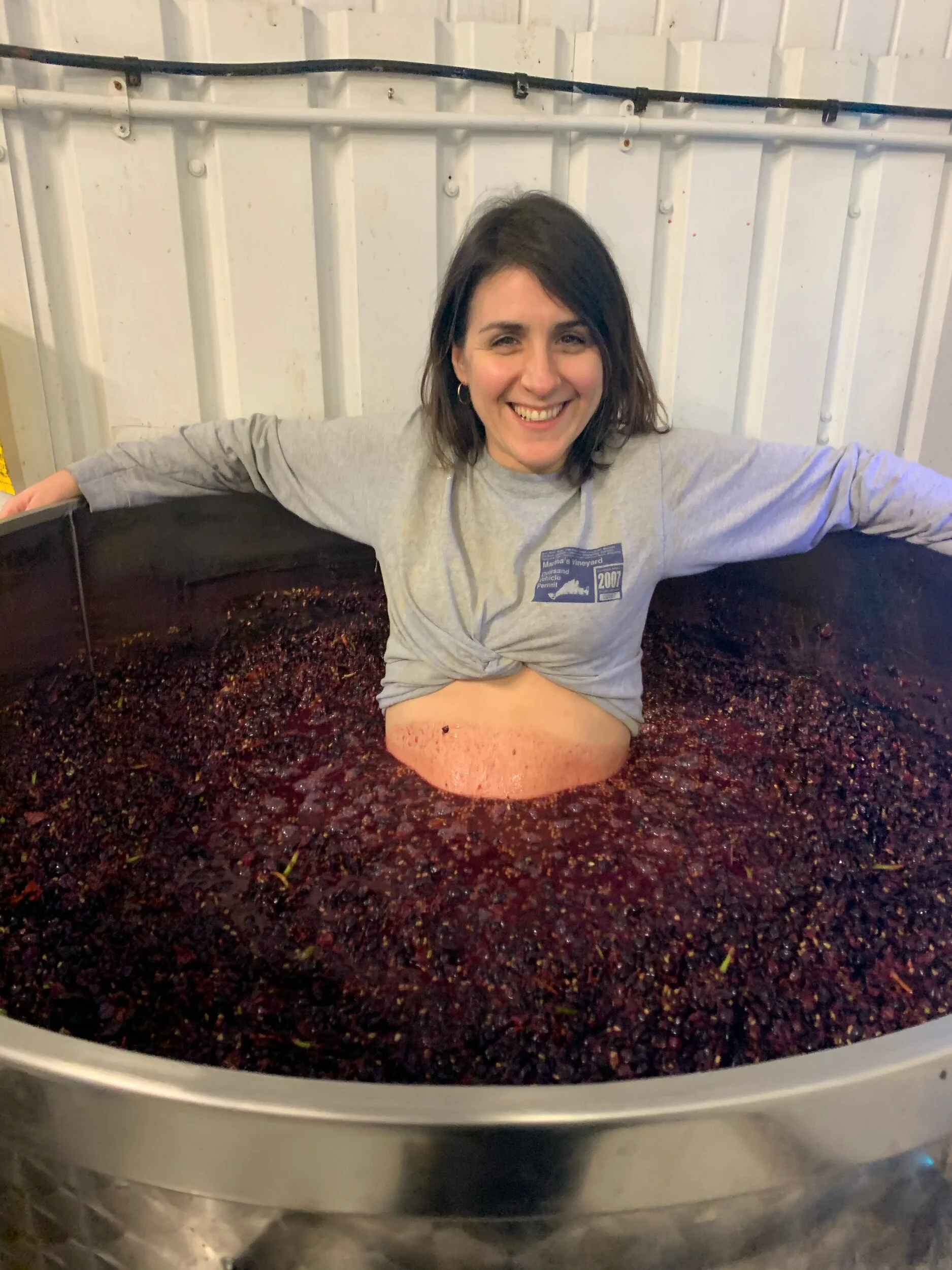
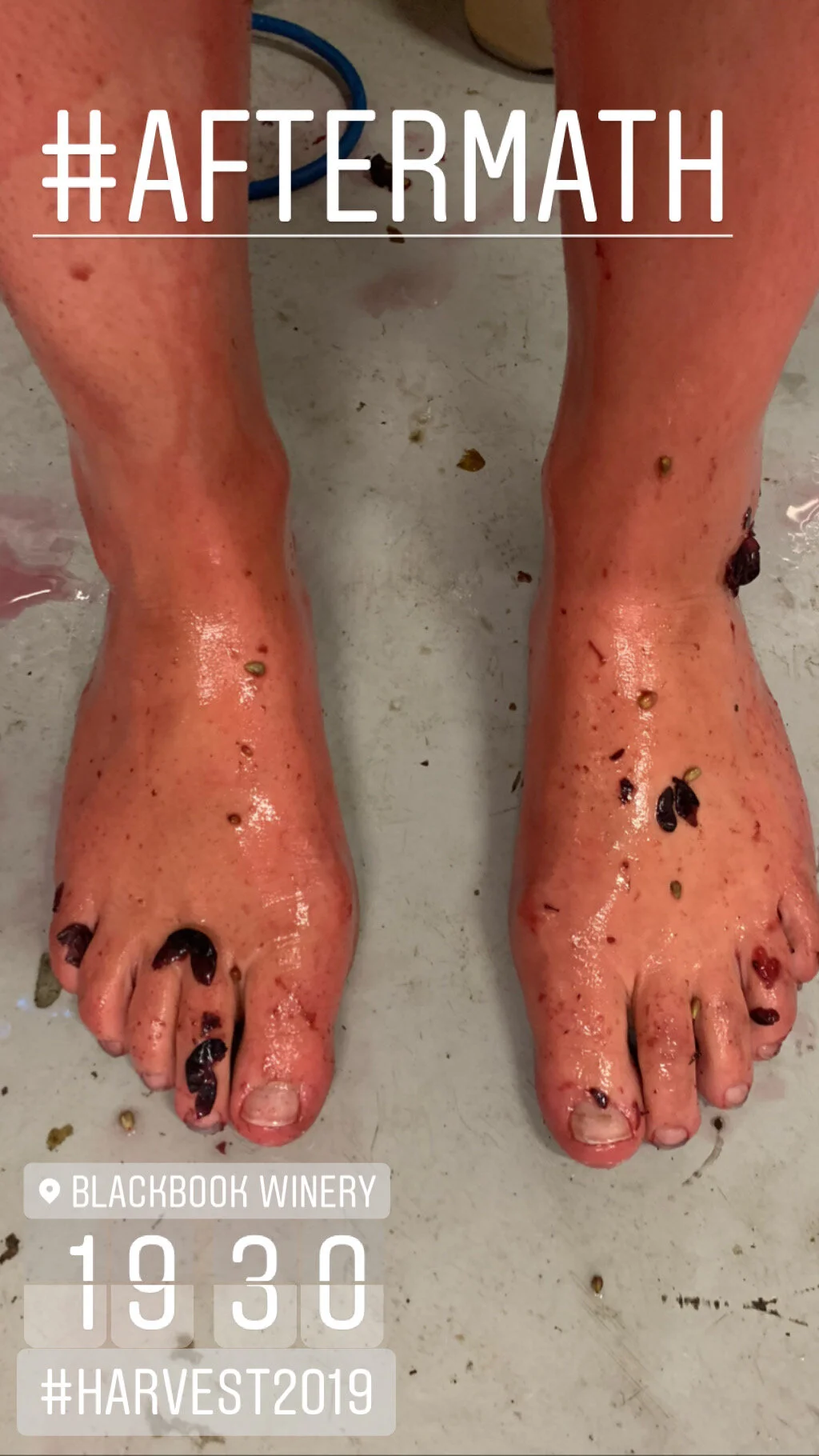
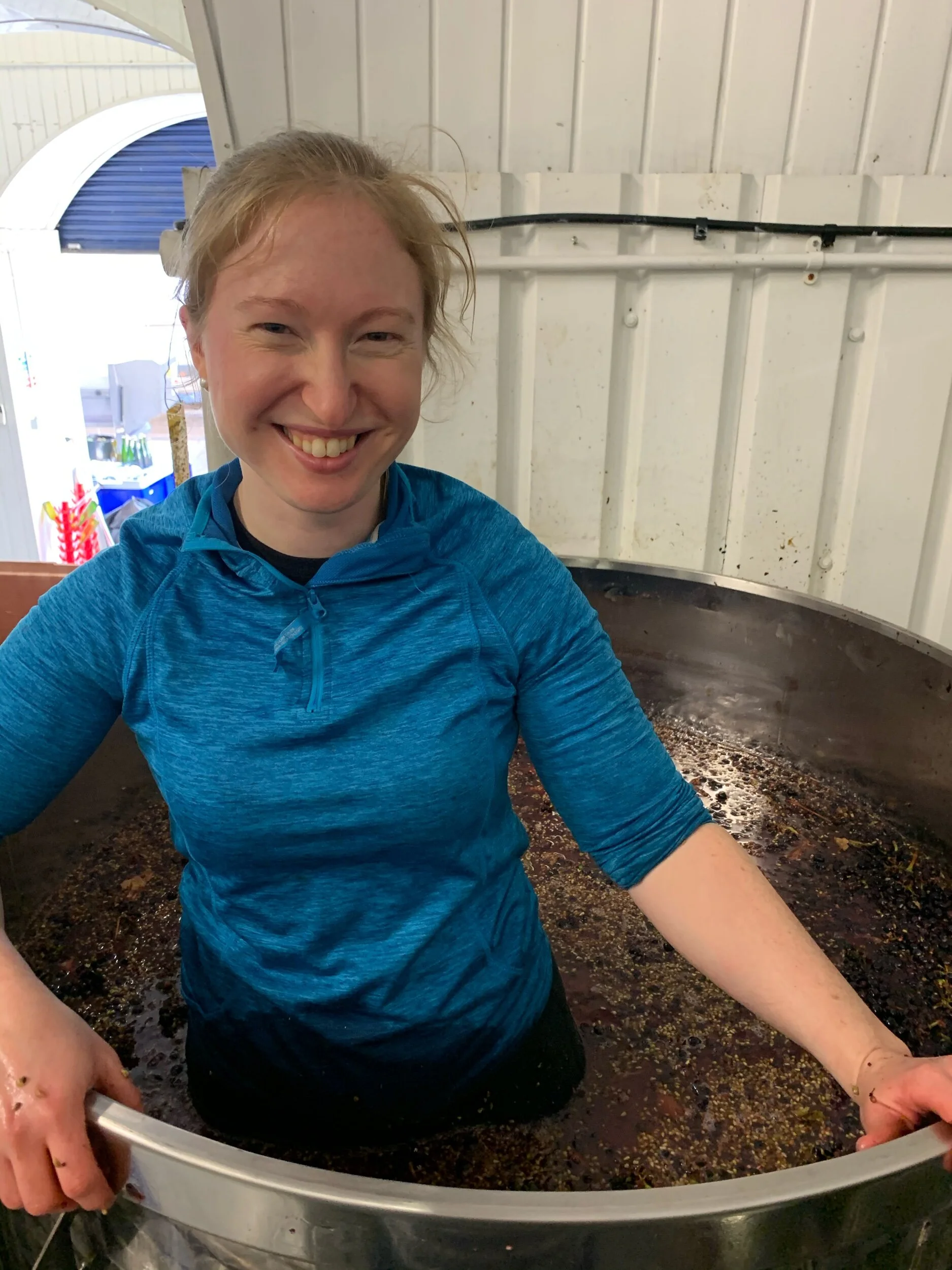
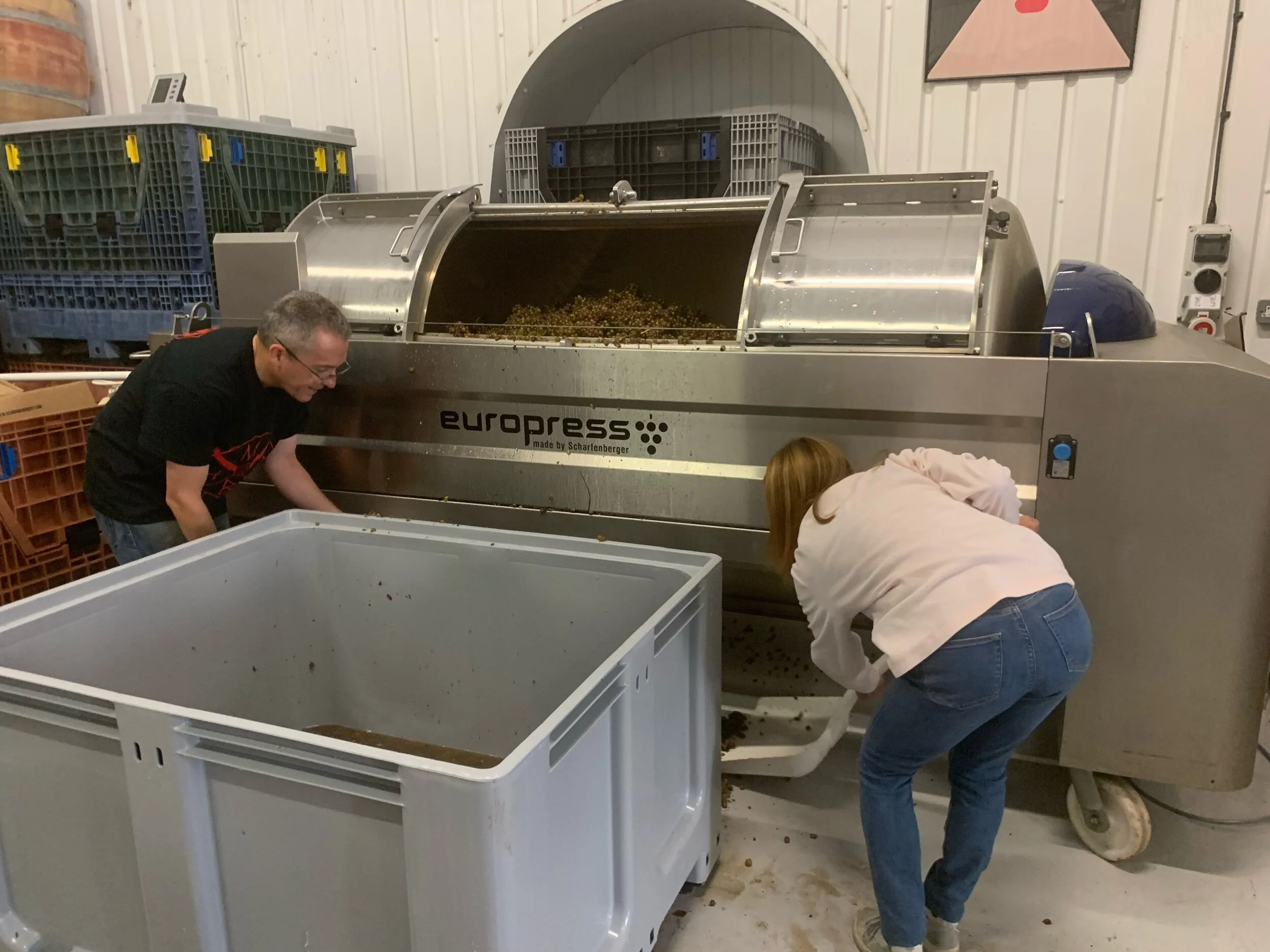
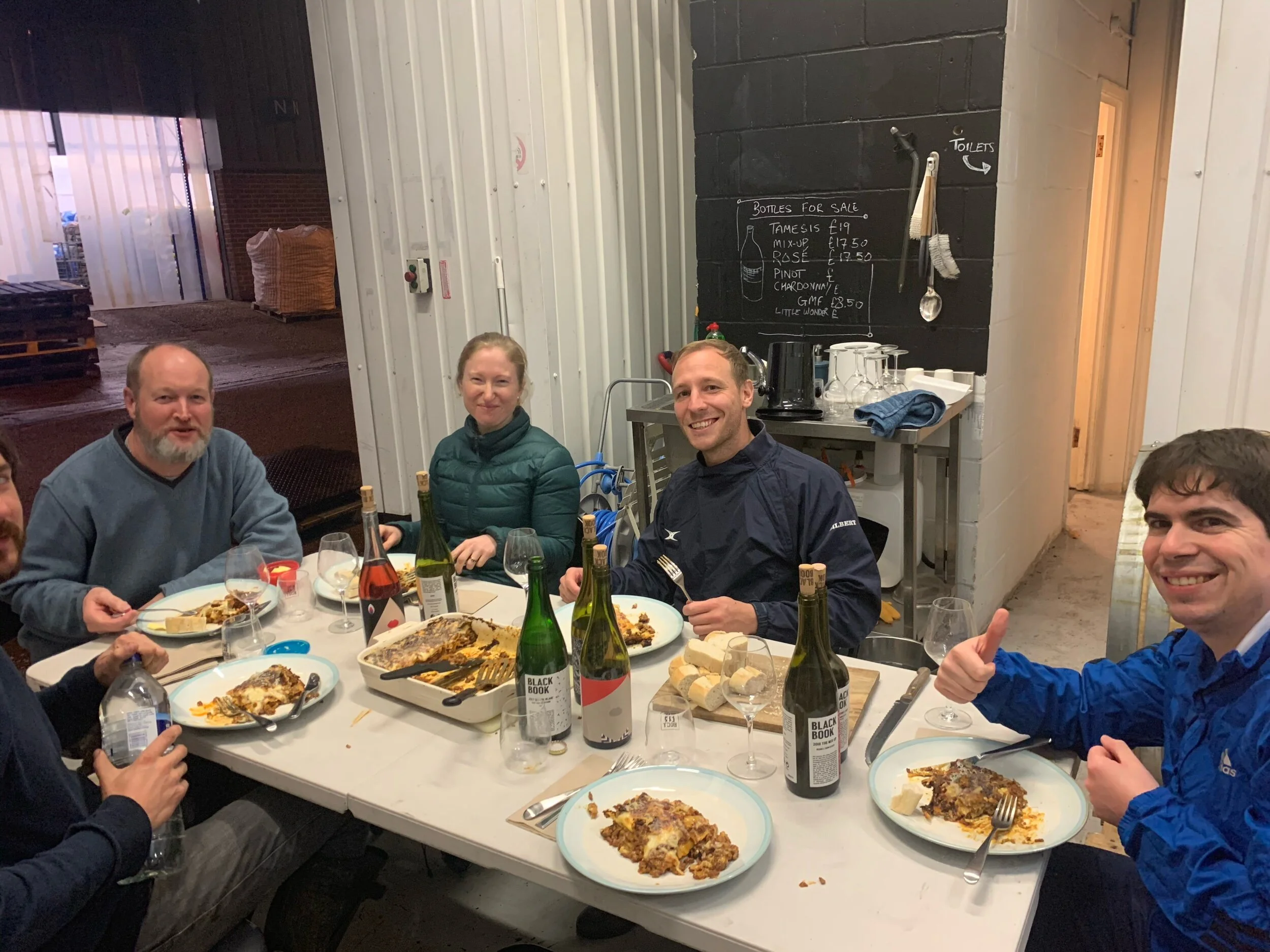
We were really pleased to be able to welcome more volunteers than ever before to the winery for this harvest - we received offers of help from many people and managed to get 24 volunteers into the winery over a number of sessions, who came to help shovel, scrub, squish and clean. We couldn’t do it without this amazing group of people who come from and amazing array of backgrounds - we get a lot of WSET students but also enthusiasts who have nothing to do with wine day to day, including geologists, architects and tech entrepreneurs.
Finally, next week we host our first annual wine club members event, where we are welcoming members of the Black Book to the winery where we’ll talk them through harvest and offer barrel and tank samples next to our 2018s and possible some 2017s out of the archive. We look forward to starting to share 2019s at the early stages as well as finished next year.
Now we’re off to catch up on some sleep! (we wish!)
~Sergio & Lynsey
The English micro-negoc project
In our beloved wine country, the old and new alike venture in search of the perfect vineyard across the Southern line. However as suitable land is becoming scarcer and land prices continue to climb, is planting the future for the UK wine industry? Well, perhaps not.
Sergio’s article below recently published in Vineyard Magazine, June 2019 edition https://www.vineyardmagazine.co.uk/onlineissue/
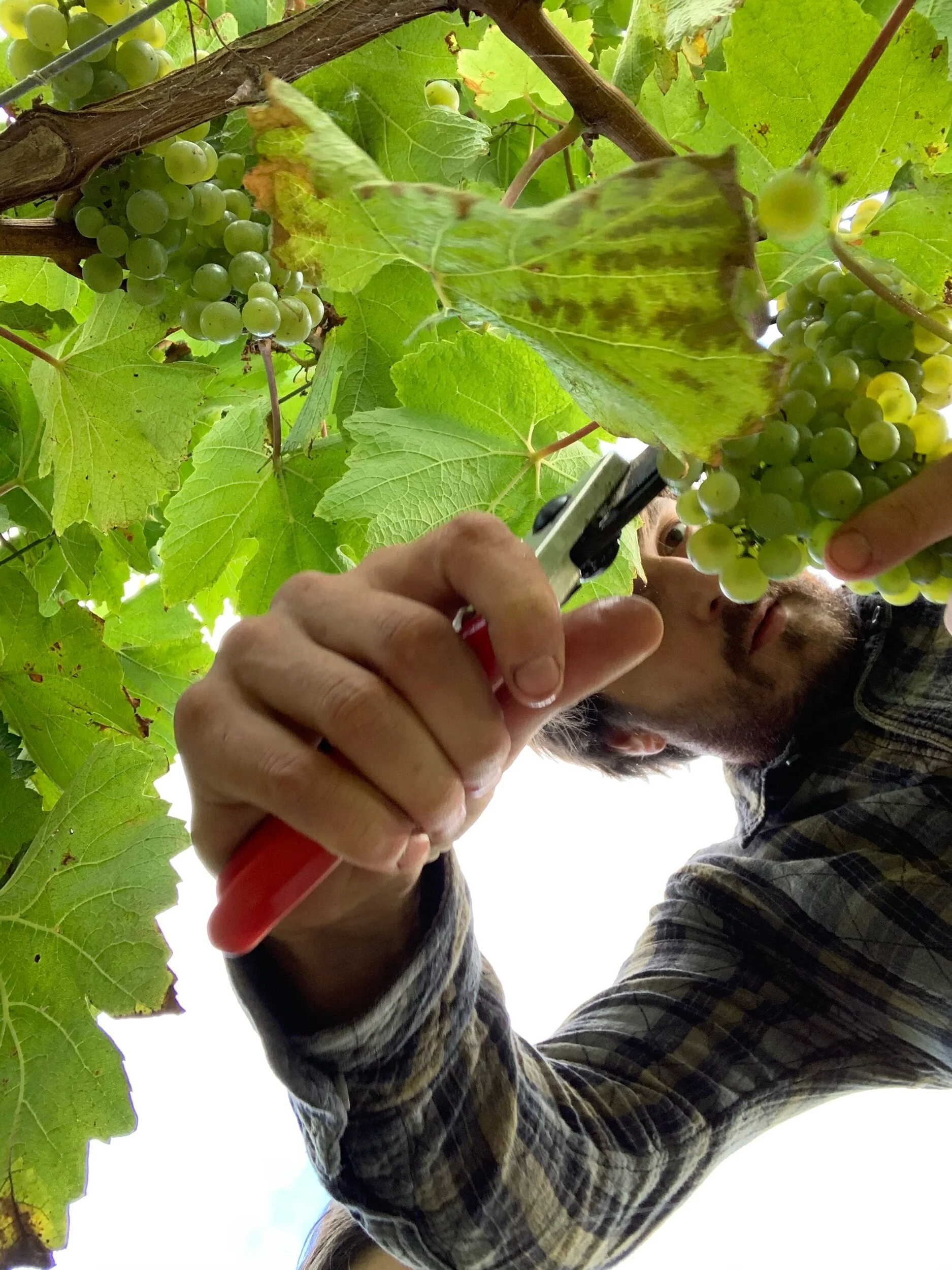
Buying in grapes means not being tied down to a specific site.
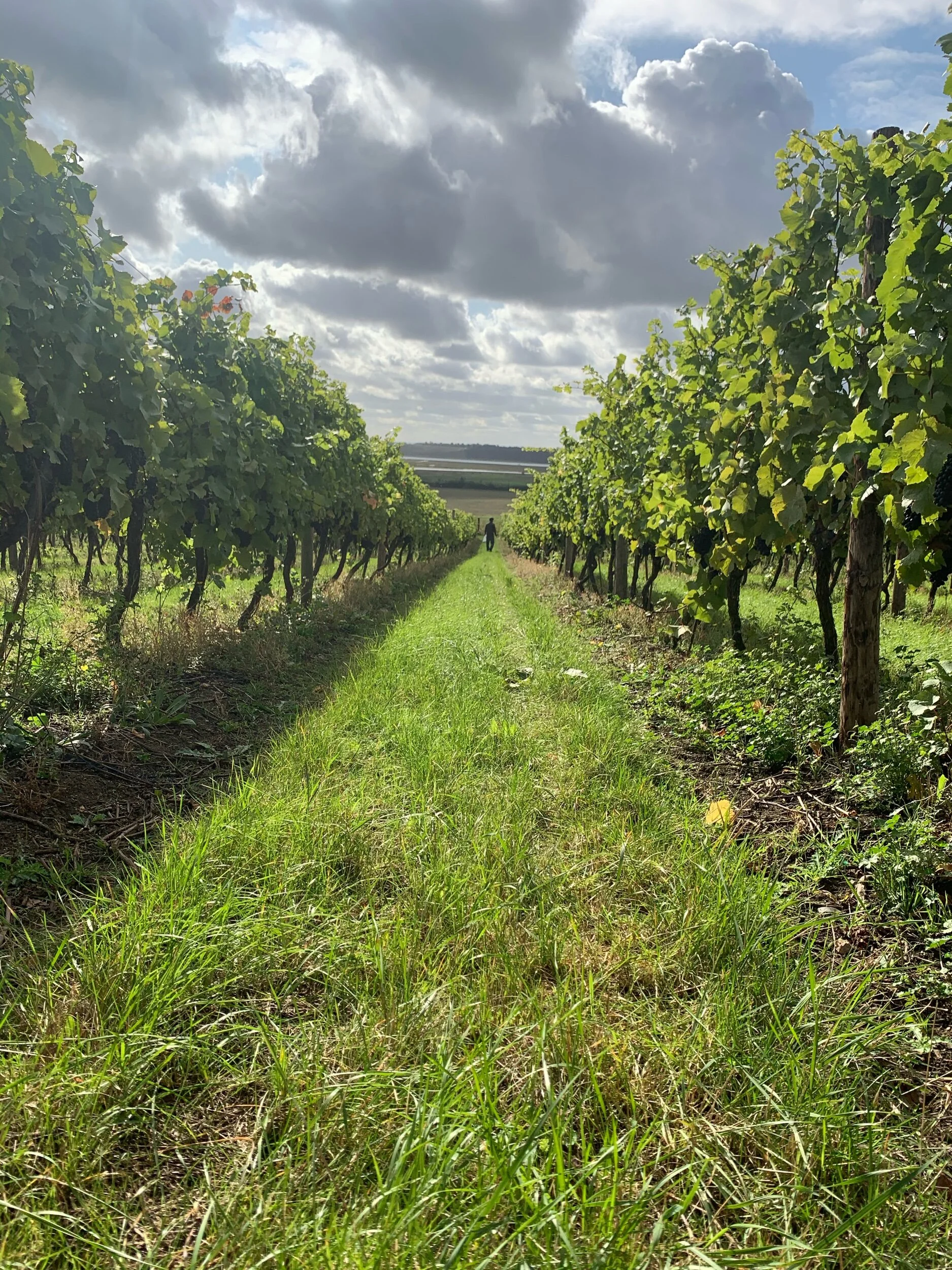
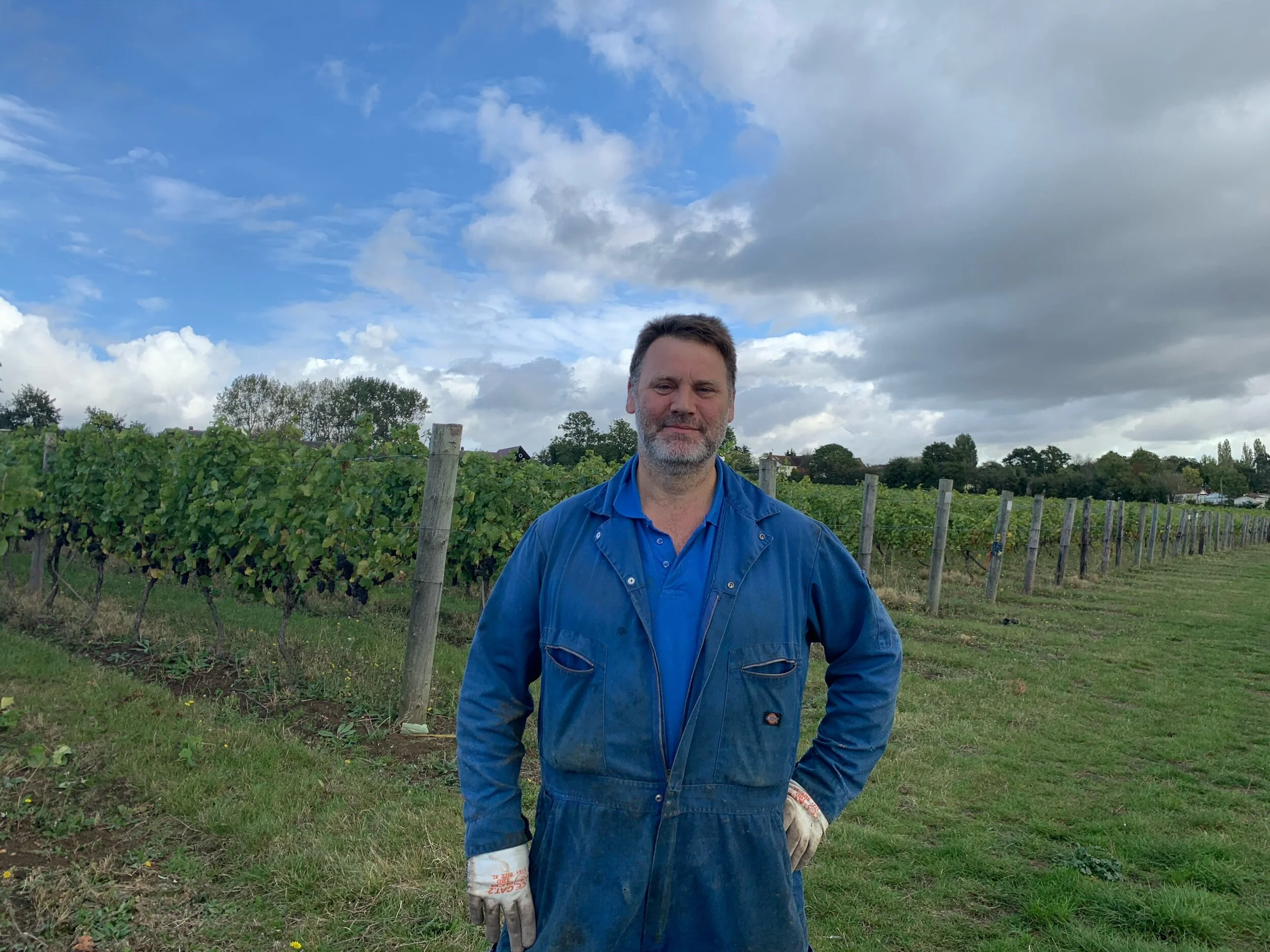
In our beloved wine country, the old and new alike venture in search of the perfect vineyard across the Southern line. However as suitable land is becoming scarcer and land prices continue to climb, is planting the future for the UK wine industry? Well, perhaps not. Wines of Great Britain reports in 2019 a 24% increase in the overall land now under vine, with an estimated 3 million vines going in the ground this year alone. This brings the total hectarage up from 2,888 to just over 3,500 hectares. In 2018’s bumper harvest, capacity issues were seen where there was no remaining tank space for vintage demands. While this anomaly maybe due to the perfect storm of 2018, it could become more of a common occurrence in future years, due to climate change and more established vineyards coming online. As the market for grapes continues to mature, and grow, it is logical that more producers may opt, as we have at Blackbook, to bypass the decision to plant and instead focus on developing relationships with trusted growers to source our fruit. For decades, even centuries, wineries around the world have adapted to changing conditions through the ability to purchase fruit from different sites, some locally and others further afi eld to make their wine. Those whose production is from 100% purchased fruit can be described as a négociant – a winery who buys grapes, or grape juice, from others and sells the wine under their own name. In recent years many have preferred to use this model; often the younger generations marked as New Wavers. No better example can be seen than in South Africa, where a group of likeminded individuals are seeking forgotten vineyards and varieties lost in the fog of Chenin blanc, Pinotage and Chardonnay. Take for example, Blankbottle, Craven Wines and Savage Wines. Beyond the romance of the New Wavers, a good example is Burgundy as an epi-centre for micro-negoc due to the prohibitive cost of land - vineyards can cost upwards of millions for a sliver of a 1er cru or Grand Cru plot; Le Grappin is a key example known well to the UK market. While both arable land and established vineyards in the UK are nowhere near the infl ated prices of Burgundy and its neighbours, a commercial planting could set you back between £15-25K per acre for land and planting. But it is not just the establishment. There is the yearly running cost of anywhere between £5-10K per acre, plus the 3-4 year waiting time. The initial outlay and waiting, ultimately ends up with at least a 10-year timeline to see any return. Dreams of transplanting the south of France to the sunny hills of the English countryside could end in tears. For us, grape purchasing may be the answer. As well as offering a more accessible route to starting a label, grape purchasing enables the producer to source a diverse selection of varieties, adjust the mix over time according to desire and demand, and shift the production size up and down. As a producer, grape-buying means not being tied down to a specifi c site. I am able to source fruit from Sussex, Kent, Essex and beyond, highlighting the immensely diverse micro climates within each of those sites. In some cases, fi nding lost plots and working to revitalise them. As a micro-negoc, there is no need to wait four years (for still wine, sparkling is an eternity of a wait!) before seeing a return on one’s investment. Conceptually, wine is being sold earlier therefore income is received earlier. The earlier returns lead to a reduced time towards profi tability making the whole project more viable for a start-up. There is a third scenario here. The option to lease vineyards. I believe this could be a good alternative for the control freaks out there (I include myself in this grouping). The capital outlay is much lower than planting, but the direction of the vineyard is under direction by Leasee who rents the site, as is the cost of maintaining the site. This is a good alternative, but I feel the same can be achieved with the right grower relationship. As the UK rises through the ranks of growth, would more businesses want to be a négociant? At the moment, in the current state of affairs, I would say yes. As years continue, vines are coming of age, more fruit is hitting the open market and by extension more wine. My question is where will it all go?

The first London grown, London made wine
As many people are aware, harvest 2018 was the biggest seen to date in England and Wales. The hot and dry summer resulted in greater yields than we’d seen and more fruit than many wineries had space to accommodate. We felt really fortunate that when Forty Hall Vineyard, in North London, had been advised that there was not enough tank space to accommodate all of their fruit, they knocked on our door.

Grapes from Forty Hall soon after they arrived at the winery, Sept 2018
We’ve been long admirers of Forty Hall - a vineyard in London, socially-minded, not-for-profit and organically certified to boot! Being certified organic, Forty Hall avoids the use of synthetic fungicides, herbicides or fertilisers to encourage sustainability, biodiversity and natural balance. In 2018 there were 65 registered volunteers and 6400 volunteer hours logged. They produced nearly 20 tonnes of grapes in 2018 and we were lucky enough to secure just over 1 tonne of their bacchus. Forty Hall’s own award winning wines are vinified in Sussex, so when they offered to sell us grapes we were excited to consider that it would be the first end to end London wine.
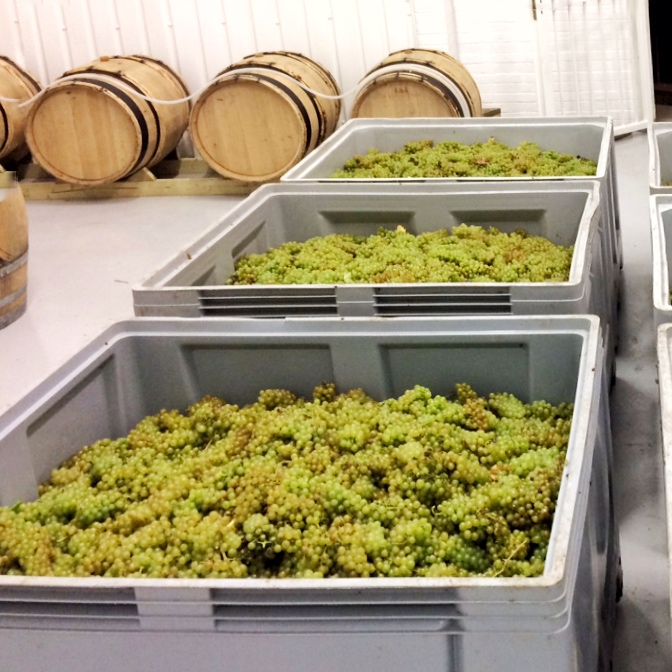
The bacchus was picked and sent down to us at the end of September 2018. When the grapes arrived they were beautiful, and great ripeness. They went straight into the press and we split the juice between older French oak barrels and steel tank, where they fermented using natural yeasts. This was followed by naturally occurring malolactic fermentation and aged for 6 months on gross lees. We do not fine or filter, the wine was bottled in April 2019 and has just officially launched.

Lisa and Emma from Forty Hall, with Sergio and Matt Frame
We named the wine, Tamesis. Named after the Latin word for the River Thames, which is a stone’s throw from the winery, the label for Tamesis was designed by local London artist, Matthew R. Frame, who took inspiration from the river, and the Roman origins of wine in England. The label references 3 key symbols: the component parts of the Thyrsus, a staff wielded by Roman God of wine, comprised of a fennel plant tipped with a pine cone, wound in vine leaves and ivy and dripping with honey; the Battersea Shield, discovered in 1857 during excavations for the Chelsea Bridge and is believed to date back to 1st century BC; and the bee wing that is the main focus of the label is both a reference to the honey laden Thyrsus and the army of volunteers at Forty Hall.
A wine that truly expresses the varietal essence with nuances of elderflower, white peach, and white pepper with touches of sweet spices and tropical fruit.
At Blackbook we are proud of our London heritage and passionate about the city. We strive to demonstrate that world class wine can be produced in an urban winery and believe that Tamesis is a perfect example of that.
Available now in our online shop.
Vegan or not Vegan, That is the question!
What makes wine vegan, and why do we make vegan wines.

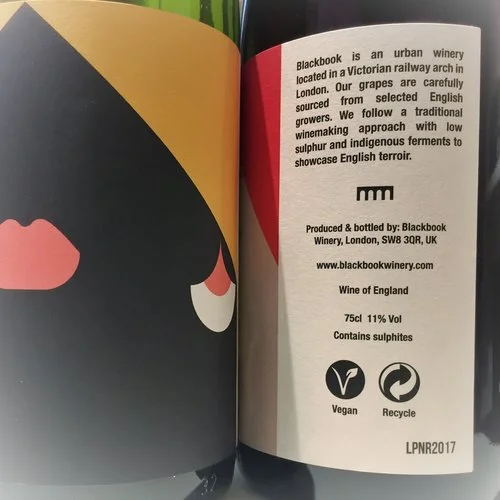
All Blackbook Winery wines are vegan, and labelled as such
Why do we choose to make vegan wines? Good question! As “Veganuary” draws to a close, we thought we’d use this as a chance to share some detail around our approach to winemaking, explaining why our wines are vegan and the choices winemakers make that affect whether a wine is vegan or not.
Most wines are not vegan friendly due to the use of varied additives manufactured from animal products, including things such as egg whites, fish bones, and gelatine that are all commonly used. These additives are used in wineries to allow accelerated processes to ready a finished wine, thus providing time and cost savings. However, a high quality, finished and consistent wine can be achieved through fastidious attention to detail, more labour intensive processes and vegan raw materials.
From the very beginning, we have endeavoured to follow a sustainable and minimalistic philosophy aimed at creating the best varietal expression of the source fruit in our wine. To achieve this, we take a minimal intervention approach in the winery, respecting the fruit and the terroir. That approach allows us to generally avoid a number of interventions that can turn fermented grape juice into a non-vegan product.
Now, let’s talk shop! Here is a walk through of the key process where the non-vegan additives are commonly used:
Clarification and filtration
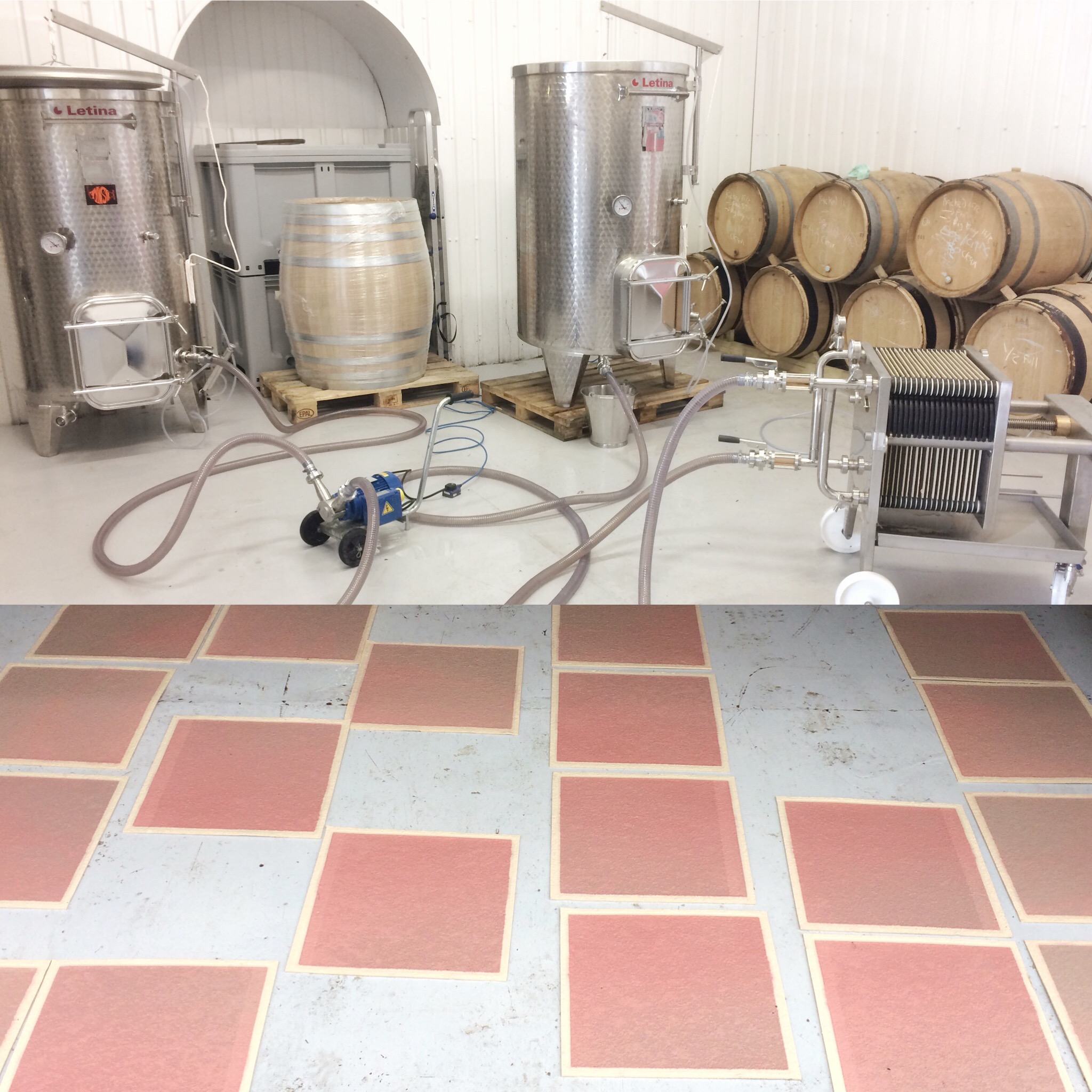
Winemakers may opt to clarify in order to get a crystal clear finish on wines. There is a two step process in order to create this. The key one is filtration, where wine is passed through a series of filters or diatomaceous earth (ground rock sediment) to capture the very small particles and residue that can cloud a wine.
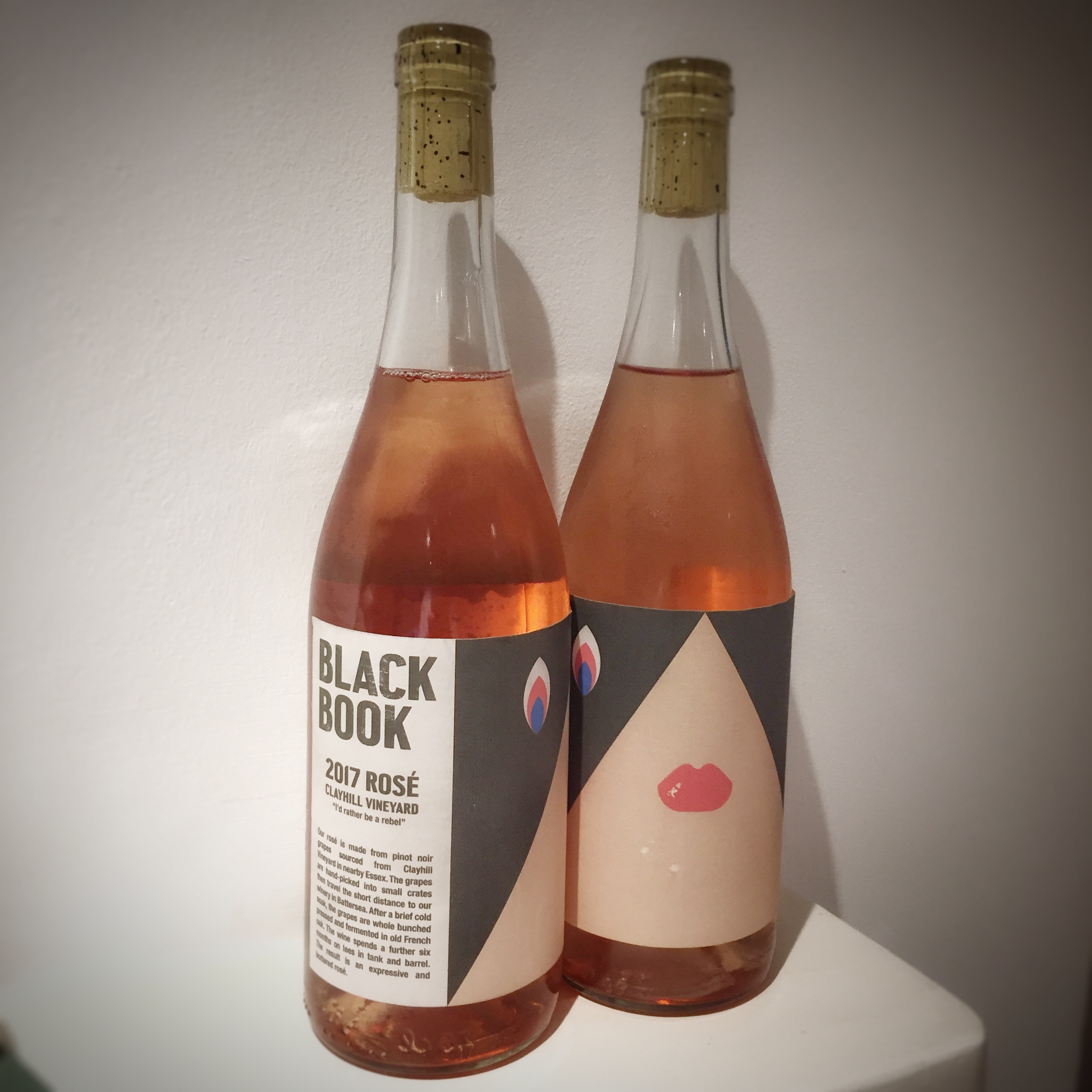
In order to aid filtration, a further process is one that may be employed, called fining. Fining is the addition of a range of agents prior to filtering, as means to bind together the various elements through a positive/negative attraction, kind of like a magnetic attraction, that cause haze - proteins, tartrates, tannins and phenolics. By binding, they clump and can be readily removed through filtration. Many fining agents are non-vegan, for example gelatine (animal fat), casein (milk based) isinglass (fish bladders) and egg white / egg albumin. There are also things such as bentonite (clay) used to fine as an alternative to the other products. In 2017, we chose to only filter one wine, our rosé, and we did that without fining the wine. We filtered to ensure a crystal clear finish of the wine. For our subsequent releases we favoured a carefully monitored racking or soutirage (the process of siphoning wine from one container to another to remove sediment) using gravity where possible, to achieve a clear finish without an unnecessary intervention. This has resulted in uncompromised flavours which we think you would agree is helping us produce the best product that we can.
So, there we are! A little bit wiser and little more entertained (hopefully!)

The filtration process in action for our 2017 rosé

Ready to launch
It's been a busy 12 months for Blackbook as we've set up our Battersea premises, sourced our first English grapes, completed a hectic harvest and now bottled and labelled our first release. We're ready to launch to the market, starting with our Essex-grown, London vinified pinot noir rosé. There are 3 more wines maturing away down in Battersea, a still chardonnay, still pinot noir and a sparkling seyval blanc, our “GMF”. All three will be released later this year.
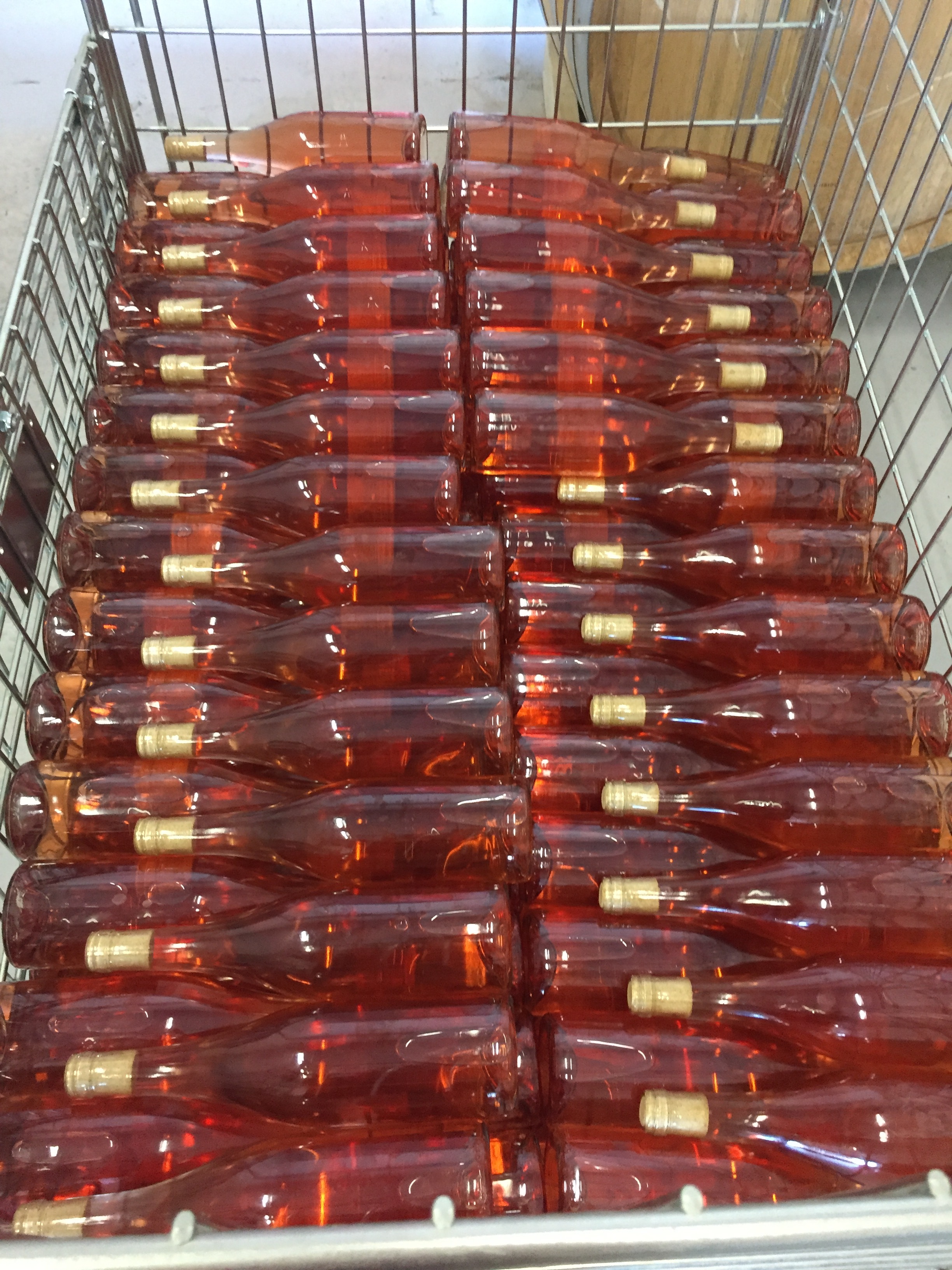
We only have 1,000 bottles of the rosé, which has been awarded a Silver medal by Drinks Business Global Rosé Masters 2018. It will soon be on the wine list at Michelin-starred Chez Bruce and we also have advance orders from local merchants, Dvine and Cellar SW4.
Come and join us at CellarSW4 in Clapham on the 30th May as we takeover the bar for a “Blackbook Hijack” and we’ll be pouring our rosé alongside 2 other wines that Sergio, our winemaker, helped to make during his previous vintages at Ata Rangi in New Zealand and Mulderbosch in South Africa.
We’ll be beginning winery tours in July, booking details will soon be available in our shop.
Our online shop is now live and offers a quick route to order our rosé and have it delivered to your door. We are offering a special release discount for our mailing list customers so sign up now to receive details.
We’d love to hear from you so please get in touch and tell us what you think of the wine and website.
Our journey from choosing the site through to bottling our first wine...